Don’t let the sunset catch you unprepared on the Blue Ridge Parkway! Essential gear for bike night means having the right lighting, rain protection, and comfort items to enjoy the ride safely, regardless of conditions. Pack smart for an unforgettable evening adventure.
Riding the Blue Ridge Parkway is a dream for many motorcyclists. The sweeping curves, stunning vistas, and crisp mountain air create an experience like no other. But what happens when that dream ride extends into the evening, or you plan a specific “bike night” on this iconic route? Suddenly, the sunshine you planned for might turn into twilight, or a clear sky could develop into a sudden shower. It’s a common concern for riders: how to be prepared for whatever the mountains throw at you after the sun dips below the horizon. Fear not! We’ll break down the essential gear you need to make your Blue Ridge Parkway bike night safe, comfortable, and truly memorable. Get ready to ride with confidence!
Gear Up for Your Blue Ridge Parkway Bike Night: Safety and Comfort First

Planning a motorcycle ride along the Blue Ridge Parkway is exciting, and extending that ride into the evening or dedicating a whole night to it can be magical. The Parkway transforms after dark, with fewer cars and a different kind of beauty. However, it also brings new challenges. Darkness reduces visibility, temperatures can drop quickly, and mountain weather is famously unpredictable. That’s why packing the right gear isn’t just about convenience; it’s about ensuring your safety and enjoyment. We’re going to walk through the must-have items that will have you feeling prepared and confident, no matter what the mountain night has in store.
Lighting: Seeing and Being Seen on the Parkway After Dark

When the sun goes down, your bike’s lighting system becomes your eyes on the road, and other road users’ eyes on you. The Blue Ridge Parkway, with its winding roads and occasional wildlife, demands the best possible visibility.
Headlights and Auxiliary Lights

Your primary headlights are crucial, but for extended night riding, especially on unfamiliar terrain, they might not be enough. Consider upgrading to brighter, more efficient bulbs. Many riders opt for LED headlights, which offer superior brightness and longevity. For those who want an extra edge, auxiliary lights (often called “fog lights” or “driving lights,” though they serve a broader purpose for any night rider) mounted on your bike can significantly improve your forward and peripheral vision. These can help illuminate road shoulders where animals might appear and reveal hazards you might otherwise miss.
According to the National Highway Traffic Safety Administration (NHTSA), proper vehicle lighting is paramount for preventing crashes. This applies just as much to motorcycles.
Tail Lights and Brake Lights

Ensuring your rear lighting is in top condition is non-negotiable. A bright, clear tail light and a functioning brake light are your signals to the world behind you. For added safety, consider a tail light with a built-in modulator or an aftermarket LED brake light that is significantly brighter and more noticeable than standard bulbs. Some riders even add auxiliary brake lights or turn signals to the rear of their bike for enhanced visibility, especially on a road known for its twists and turns.
Reflective Gear
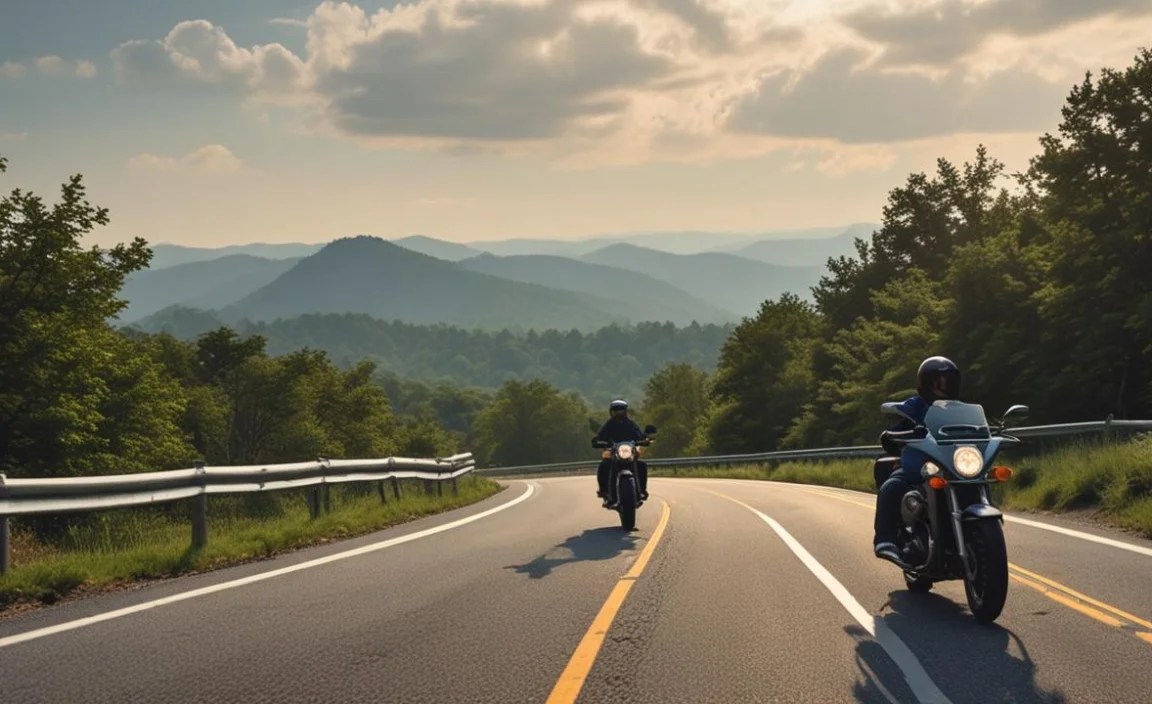
Beyond your bike’s lights, your personal gear plays a huge role in making you visible. High-visibility colors and reflective materials on your jacket, pants, helmet, and gloves are essential. Even a small amount of reflectivity can bounce light back from headlights of approaching vehicles, making you much easier to spot. Think of it as passive safety – it works even when you’re not actively doing anything but riding.
Riding Gear Beyond the Basics: Layering for Mountain Nights

Mountain temperatures can be fickle. What starts as a pleasant evening can turn chilly, especially at higher elevations and after sundown. Layering and having protection from the elements are key to staying comfortable and alert.
The Importance of Layers

Start with a good base layer. This is the layer closest to your skin and should be moisture-wicking to pull sweat away, preventing you from getting cold and clammy. Materials like merino wool or synthetic fabrics are excellent choices. Avoid cotton, as it holds moisture and can make you feel colder.
Your mid-layer provides insulation. This could be a fleece jacket, a thermal pullover, or a down vest. The goal here is to trap body heat. You can add or remove this layer as the temperature changes throughout your ride.
Your outer layer is your protection against wind and rain. A waterproof and windproof motorcycle jacket is a must. Ensure it’s also breathable to prevent that clammy feeling from the inside out. Look for jackets with good ventilation zips that you can open or close as needed. The same principle applies to your riding pants. Having waterproof over-pants that you can quickly put on over your riding pants is a great backup for unexpected downpours.
Gloves: Warmth and Dexterity

Your hands are highly exposed and can get cold very quickly, especially when gripping handlebars. Investing in a pair of insulated, waterproof gloves is crucial for night rides. They should still allow you to operate your controls effectively. Many riders carry a lightweight pair for warmer weather and a warmer, waterproof pair specifically for night or cold-weather riding. Some advanced gloves even have heating elements for extreme conditions.
Headwear and Neck Warmers

Don’t forget your head and neck! A balaclava or neck gaiter made of thermal material can make a surprisingly big difference in overall comfort by sealing out drafts. This also helps keep your head warmer, preventing heat loss. Ensure your balaclava fits comfortably with your helmet.
Rain Gear: Be Prepared for the Unexpected Drizzle

The Blue Ridge Parkway is known for its beauty, but also for its microclimates and sudden weather changes. Mountain rain can appear swiftly, and riding in the wet, especially at night, is uncomfortable and dangerous.
Full Waterproof Suit or Two-Piece Set

Having a reliable waterproof suit or a separate waterproof jacket and pants is essential. These are typically lightweight and can be stowed in your luggage or a saddlebag for easy access. When that unexpected rain starts, you want to be able to pull them on quickly over your riding gear.
Look for features like taped seams, adjustable hoods (that can be worn under your helmet), and splash-proof zippers. While full rain suits offer maximum protection, a good quality two-piece set is often more versatile for different riding conditions.
Waterproof Footwear and Gaiters

Your boots should ideally be waterproof, but even then, adding rain covers or gaiters can provide an extra layer of protection. Wet feet can quickly lead to numb toes, which impacts your ability to operate controls and maintain focus. Gaiters that extend up your leg can also help keep rain from running down into your boots from your pants.
Visibility and Navigation Tools: Don’t Get Lost in the Dark

The Blue Ridge Parkway is a long, winding road with many overlooks and exit points. Navigating it safely in the dark requires reliable tools.
GPS and Smartphone Mounts

A dedicated GPS unit or a smartphone with a good navigation app is invaluable. Make sure you have a secure, waterproof mount for your device. For smartphones, consider using apps like Google Maps or dedicated motorcycle navigation apps. Download offline maps of the area before you leave, as cell service can be spotty along the Parkway.
For power, ensure your bike has a USB port or a 12V adapter, and carry a waterproof charging cable. A portable power bank is also a wise backup for keeping your devices charged.
Headlamps or Small Flashlights

Even with your bike’s lights, having a portable light source is incredibly useful. A small LED headlamp is fantastic because it keeps your hands free for looking at maps, performing quick checks on your bike, or signalling. A compact flashlight can also be stowed in a pocket or bag for quick inspections.
Maintenance and Emergency Kit: Prepared for the Unexpected

Riding the Blue Ridge Parkway at night means you’re further from immediate assistance if something goes wrong. A basic emergency kit can make a world of difference.
Tire Repair Kit and Air Pump

A flat tire can happen to anyone, anywhere. A portable tire plug kit and a small, powerful 12V air pump can get you back on the road (or at least to a place where you can get more help). Familiarize yourself with how to use these tools before your trip!
Basic Tool Kit
Carry a few essential tools like a multi-tool, a set of wrenches, screwdrivers, and zip ties. These can help with minor adjustments or temporary fixes. Research common issues with your specific bike model and pack tools accordingly.
According to the Federal Highway Administration (FHWA), maintaining roads and providing traveler information is key. While they focus on infrastructure, rider preparedness is the individual’s role in ensuring safety on such routes.
First-Aid Kit
A compact, well-stocked first-aid kit is a must for any rider. Include bandages, antiseptic wipes, pain relievers, gauze, medical tape, and any personal medications you might need. Knowing basic first aid can be a lifesaver.
Emergency Contact Information and Travel Plans

Make sure someone knows your route and expected return time. Keep emergency contact information readily accessible on your person and on your phone. Having this information visible, perhaps on a card in your wallet or jacket, can be helpful for first responders.
Comfort and Convenience Items for a Longer Ride

While safety is paramount, comfort contributes significantly to your ability to ride safely and enjoy the experience.
Hydration and Snacks
Staying hydrated and fueled is important, especially on longer rides. Carry water bottles or a hydration pack. Non-perishable snacks like energy bars, nuts, or dried fruit can provide a much-needed energy boost. It’s easy to overlook this, but low blood sugar can impair judgment and reaction time.
Phone Charger or Power Bank

As mentioned earlier, keeping your electronic devices charged is crucial for navigation, communication, and emergencies. A dedicated motorcycle phone charger or a high-capacity power bank is a smart investment.
Small Packable Rain Poncho
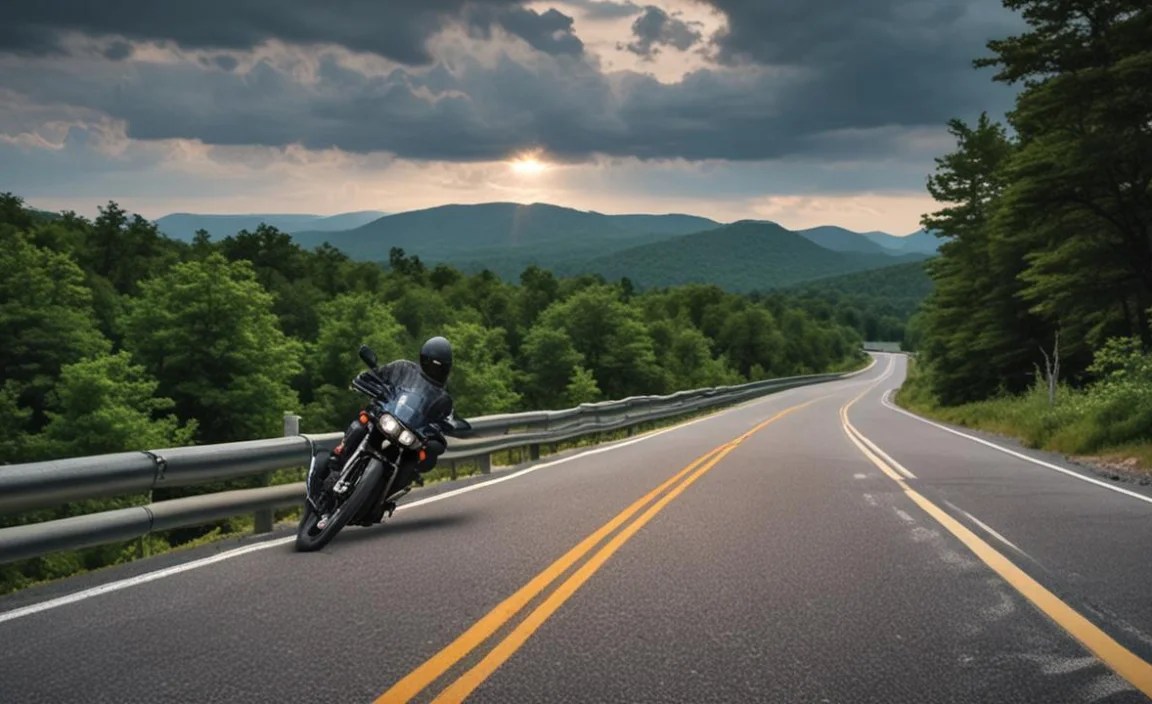
Even if you have a full rain suit, a small, packable poncho can be useful for quick stops or if you need to step away from your bike briefly in light rain. It’s an easy item to keep in a pocket.
The “Blue Ridge Parkway Bike Night Best Gear to Bring” Checklist

To help you organize, here’s a quick rundown of the gear we’ve discussed. It’s always a good idea to lay everything out before your ride to ensure you haven’t forgotten anything.
| Category | Essential Gear | Notes |
|---|---|---|
| Lighting | Upgraded Headlight Bulbs | Ensure they are legal for road use. |
| Auxiliary Driving/Fog Lights (Optional) | Enhances forward visibility. | |
| Bright LED Tail/Brake Lights | Crucial for rear visibility. | |
| High-Vis Reflective Gear | Jacket, pants, helmet, gloves. | |
| Riding Apparel | Moisture-Wicking Base Layers | Merino wool or synthetic. |
| Insulating Mid-Layer | Fleece or thermal jacket. | |
| Waterproof & Windproof Outer Jacket & Pants | Breathable materials are best. | |
| Insulated, Waterproof Gloves | With good dexterity. | |
| Balaclava or Neck Gaiter | For warmth and draft protection. | |
| Waterproof Boots | Or waterproof boot covers. | |
| Rain Protection | Full Waterproof Suit or Two-Piece Set | Taped seams, splash-proof zippers. |
| Waterproof Gaiters/Covers | For boots. | |
| Navigation & Tech | GPS Unit or Smartphone with Nav App | Download offline maps. |
| Secure, Waterproof Device Mount | Essential for vibration and weather. | |
| USB Port or 12V Adapter & Waterproof Cable | For charging devices. | |
| Portable Power Bank | Backup power source. | |
| Headlamp or Small Flashlight | Hands-free option is ideal. | |
| Emergency Kit | Tire Repair Kit (Plugs) | And a way to reinflate. |
| Mini Air Compressor/Pump | 12V recommended. | |
| Basic Tool Kit | Multi-tool, wrenches, screwdrivers. | |
| First-Aid Kit | Well-stocked for common injuries. | |
| Emergency Contact Info / Travel Plan | Inform someone of your plans. | |
| Comfort & Convenience | Water Bottles or Hydration Pack | Stay hydrated. |
| Non-Perishable Snacks | Energy bars, nuts. | |
| Spare Phone Charger | Or just a fully charged power bank. |
Pre-Ride Checks: Crucial Before You Roll Out

Before you even think about hitting the road for your Blue Ridge Parkway bike night, a thorough pre-ride inspection is essential. This isn’t just for night riding, but it’s amplified in importance when darkness reduces your ability to spot issues.
Your pre-ride check should include:
- Tires: Check pressure and tread depth. Look for any cuts or bulges.
- Fluids: Check oil, coolant, brake fluid, and windshield washer fluid levels.
- Lights: Test all lights – headlights (high and low beam), tail lights, brake lights, and turn signals.
- Brakes: Ensure they are responsive and feel firm.
- Chain/Belt: Check for proper tension and lubrication.
- Horn: Give it a quick honk to ensure it’s working.
- General Condition: Look for any loose parts, obvious leaks, or damage.
A well-maintained bike is a reliable bike, and reliability is your best friend when riding after dark, especially on a route like the Blue Ridge Parkway.
Know Your Route and Road Conditions

While the Parkway is known for its beauty, it’s also known for its elevation changes and potential for closures. Before you head out, check the official Blue Ridge Parkway Service for any alerts or closures. Knowing the general layout of the section you plan to ride, including key overlooks and potential towns for services, can also be very comforting.
Frequently Asked Questions About Blue Ridge Parkway Bike Night Gear
What is the single most important piece of gear for a night ride?

Beyond your helmet and basic riding suit, the most critical gear for a night ride is enhanced lighting. This includes ensuring your bike’s headlights, tail lights, and brake lights are as bright and effective as possible, and considering auxiliary lights. Don’t forget highly reflective materials on your riding gear to make you visible to others.
Can I use my regular daytime riding gear for a night ride on the Parkway?

While your standard riding gear (helmet, jacket, pants, gloves, boots) is essential, it might not be enough for proper night riding. You’ll likely need to add layers for warmth as temperatures drop, and crucially, ensure your gear has significant reflective elements for visibility. Waterproofing is also more critical for night rides due to increased chances of dew or unexpected showers.
How do I keep my electronics charged on a long night ride?
Ensure your motorcycle has a functional charging port (USB or 12V adapter) and use a waterproof charging cable. Carry a fully charged portable power bank as a backup. For navigation, consider using apps that allow offline map downloads so you aren’t relying on a constant cell signal.
What if I encounter unexpected rain after dark?
This is where
