Quick Summary: Heading to a custom bike competition in the UK with camping? Pack smart! Essential gear includes a sturdy tent, sleeping bag rated for the weather, a comfortable sleeping mat, reliable lighting, basic tools for minor fixes, weatherproof clothing, and a well-stocked first-aid kit. Being prepared ensures you can focus on the bikes and enjoy the camaraderie.
Hey there, fellow riders! Barry K. Richmond here. So, you’re thinking about hitting up a custom bike competition in the UK that pitches a tent? That sounds like a fantastic way to see some incredible machines and soak up the biker vibe. But let’s be honest, the thought of camping alongside your beloved ride can bring up a few questions, especially if you’re new to it. What do you actually need to bring? We don’t want you arriving only to find you’ve forgotten something crucial and it’s spoiling the fun. Don’t you worry, this guide is here to break it all down. We’ll cover the absolute essentials for comfortable and safe camping at your next custom bike event, so you can relax and enjoy the show.
Your Basecamp for Bike Bliss: Essential Camping Gear

When you’re heading to a custom bike competition UK gathering with camping, your campsite is your sanctuary. It’s where you’ll rest, recharge, and maybe even do some last-minute sprucing on your bike. Getting your camping setup right makes all the difference between a chilly, uncomfortable night and a cosy spot that fuels your enthusiasm for the day ahead. Think of it as preparing your bike for a long journey – the right kit makes the ride smoother. We’ll go through everything you need to pack, from your shelter to the little things that make life easier.
Shelter: Your Home Away From Home

This is perhaps the most important part of your camping setup. You need a reliable place to sleep and keep your gear dry. For a custom bike competition, you’ll want something that’s relatively easy to set up, sturdy enough for varying British weather, and big enough for you and your things.
Choosing the Right Tent

When selecting a tent, consider capacity and seasonality. For solo riders or couples, a 2-3 person tent is usually ideal, offering a bit of extra space to spread out. If you’re going with mates, you might opt for a larger tent or individual smaller ones.
- Size Matters: Ensure it’s big enough for sleeping and storing your gear. A tent with a small porch area is a bonus for muddy boots or keeping your helmet out of the main sleeping area.
- Weather Resistance: Look for a tent with a good hydrostatic head (HH) rating, especially for the flysheet. A rating of 3000mm HH or higher is generally considered good for most British weather conditions, which can be unpredictable!
- Ease of Setup: For a beginner, a pop-up tent can be extremely quick to pitch, but they can be bulky. Pole-and-sleeve tents are common and offer a good balance of durability and ease. Practice setting it up at home before you go!
- Ventilation: Good ventilation is key to reducing condensation inside the tent, especially in damp UK weather. Look for tents with mesh panels and vents.
Many reputable outdoor gear retailers offer a wide range of tents suitable for festivals and motorcycle camping. Websites like Go Outdoors or brands like Vango and Decathlon are good places to start exploring your options. Remember, investing in a decent tent will pay dividends in comfort and protection.
Sleeping System: Catchingthose Z’s

After a long day admiring custom builds and enjoying bike chats, a good night’s sleep is crucial. Your sleeping system is your personal comfort zone.
Sleeping Bag: Your Warm Cocoon

Camping in the UK means you need to be prepared for cooler temperatures, even in summer. Temperature ratings on sleeping bags are important, but they can be a bit confusing.
- Temperature Ratings: Sleeping bags usually have three ratings: Comfort, Limit, and Extreme. “Comfort” is the temperature at which a standard woman can sleep comfortably. “Limit” is for a standard man. “Extreme” is for survival only. For general camping, aim for a bag with a comfort rating that suits the likely nighttime temperatures you’ll experience. It’s always better to be a little too warm and be able to open the bag up than to be freezing.
- Bag Type:
- Mummy Bags: These are more form-fitting and designed to retain heat better, making them ideal for colder conditions.
- Rectangular Bags: These are roomier and can often be unzipped fully to be used as a duvet, offering more versatility.
- Filling: Down offers excellent warmth-to-weight ratio but is expensive and loses insulation when wet. Synthetic fillings are more affordable, insulated when damp, and easier to care for, making them a great choice for most UK campers.
Sleeping Mat: The Foundation of Comfort

Don’t underestimate your sleeping mat! It doesn’t just add comfort; it’s your insulation from the cold ground, which can suck the warmth right out of you.
- Types of Mats:
- Closed-Cell Foam Mats: These are basic, durable, and affordable. They offer good insulation but are less comfortable than other options.
- Self-Inflating Mats: These offer a good balance of comfort, insulation, and packability. They have foam inside that expands when you open the valve, and you can top them up with a few breaths.
- Inflatable Mats: These are the most comfortable and pack down small, but they are more prone to punctures and rely entirely on an air pump or lung power.
- R-Value: This is a measure of thermal resistance. The higher the R-value, the better the insulation. For cooler nights or ground that feels cold, look for an R-value of 3 or higher.
A good pillow can really elevate your sleep. A dedicated camping pillow or even a stuff sack filled with soft clothing can work wonders. For more on outdoor gear, check out resources like Outdoor Tactics’ sleeping bag guides. They offer in-depth information that’s really helpful.
Lighting: Navigating the Night
When the sun goes down, staying oriented is key. You don’t want to be fumbling around in the dark.
- Headtorch: Absolutely essential! It keeps your hands free for setting up your tent, rummaging through your gear, or making a cuppa. Look for one with adjustable brightness and different beam settings.
- Lantern: A small LED lantern can be great for illuminating the inside of your tent, creating a cosy atmosphere, or providing ambient light outside your tent for evening chats without being blindingly bright like a headtorch can be.
- Spare Batteries: Always pack plenty of spares for all your lighting devices! Nothing is worse than a dead torch when you need it most after dark.
Cooking and Eating: Fueling Your Adventures

While many custom bike events will have food vendors, having some basic cooking facilities can be a lifesaver, offering flexibility and cost savings. Plus, there’s something satisfying about cooking your own grub after a day on your bike.
Essential Cooking Gear (if you plan to cook)

If you’re a casual cooker at events, a compact setup is best:
| Item | Description & Usage |
|---|---|
| Portable Stove | A small gas camping stove (either canister-based or liquid fuel) is efficient and easy to use. |
| Fuel | Ensure you have enough fuel canisters or liquid fuel for your stove. Check the type of connection your stove uses. |
| Cookset | A lightweight, compact set including a small pot, lid, and perhaps a frying pan. |
| Utensils | A multi-tool or a dedicated camping cutlery set (spork, knife, fork, spoon). |
| Mug/Cup | Essential for your morning coffee or evening brew. Insulated mugs are a great idea. |
| Plate/Bowl | Lightweight and easy to clean. |
| Washing-up Kit | A small sponge, biodegradable washing-up liquid, and a tea towel. |
Food Ideas: Keep it simple! Ready-to-eat meals, pasta, rice, tinned goods, and plenty of snacks like energy bars, nuts, and dried fruit are perfect for camping. Don’t forget essentials like tea, coffee, sugar, and UHT milk. If you’re bringing perishables, a cool bag or box with ice packs is a must. For more in-depth camping cooking tips, check out guides from organisations like the Ramblers.
Tools and Maintenance: Be Prepared for Minor Gremlins

You’re at a bike competition, so chances are you want your ride looking and running its best. While major repairs aren’t feasible in a field, having a basic toolkit can save the day for minor issues.
Your Essential Bike Toolkit

This isn’t a full workshop, but a few key items can prevent small problems from becoming major headaches.
- Spanner Set: Adjustable spanners and a basic set of common metric sizes (e.g., 8mm, 10mm, 12mm, 13mm).
- Screwdrivers: Both Phillips head and flathead, in a few different sizes.
- Pliers: Needle-nose and regular pliers.
- Allen Keys (Hex Wrenches): A set of metric Allen keys are essential for many modern bikes.
- Tyre Pressure Gauge: Crucial for maintaining handling and tyre life.
- Tyre Repair Kit: Puncture repair plugs and a portable pump or CO2 inflator can get you out of a jam.
- Duct Tape & Zip Ties: The universal fixers! Extremely handy for temporary repairs.
- Chain Lube: A small can to keep your chain running smoothly.
- Contact Cleaner: Useful for cleaning electrical connections.
- Gloves: Disposable “mechanic” gloves to keep your hands clean.
General Tools
Don’t forget tools for your campsite!
- Tent Peg Mallet/Hammer: To get those pegs in firmly.
- Multi-tool: A good quality multi-tool can substitute many individual items.
For information on general motorcycle maintenance and tools, the UK government’s GOV.UK website has useful links and information on roadworthiness and safety, which includes basic maintenance advice.
Clothing: Weatherproof Your Wardrobe

One thing you can reliably expect at a UK event is variable weather. Being prepared means staying comfortable and able to enjoy the day, no matter the conditions.
- Waterproofs: A good quality waterproof jacket and trousers are non-negotiable. Ensure they are breathable too, so you don’t get soaked in your own sweat!
- Layers: Pack a variety of layers. Base layers (thermal or moisture-wicking), mid-layers (fleece or a warm jumper), and an outer layer provide flexibility.
- Footwear: Comfortable, waterproof boots are a must. You’ll be doing a lot of walking around the event site. Pack spare socks, including thermal ones.
- Headwear: A warm hat for cool evenings and a cap or hat for sun protection.
- Gloves: Warm, waterproof gloves for riding and potentially a lighter pair for around the campsite.
Hygiene and First-Aid: Staying Healthy and Safe

Keeping clean and having a basic first-aid kit are fundamental for any trip, especially when camping.
Hygiene Essentials
- Toiletries: Toothbrush, toothpaste, soap/body wash, shampoo, deodorant.
- Quick-Dry Towel: Lightweight and packs small.
- Hand Sanitiser: Invaluable for staying clean when full washing facilities aren’t immediately available.
- Wet Wipes: For quick clean-ups.
- Toilet Paper: Always a good idea to have your own supply.
First-Aid Kit
A well-stocked first-aid kit is crucial. Ensure it’s easily accessible.
- Assorted plasters (band-aids)
- Antiseptic wipes
- Sterile gauze pads and tape
- Painkillers (e.g., paracetamol, ibuprofen)
- Antihistamines (for bites or stings)
- Small pair of scissors
- Tweezers (for splinters)
- Any personal medication you require.
Knowing basic first aid can be incredibly useful. Organisations like the British Red Cross offer free online first aid resources that are well worth familiarising yourself with.
Miscellaneous Comforts: Small Things, Big Impact
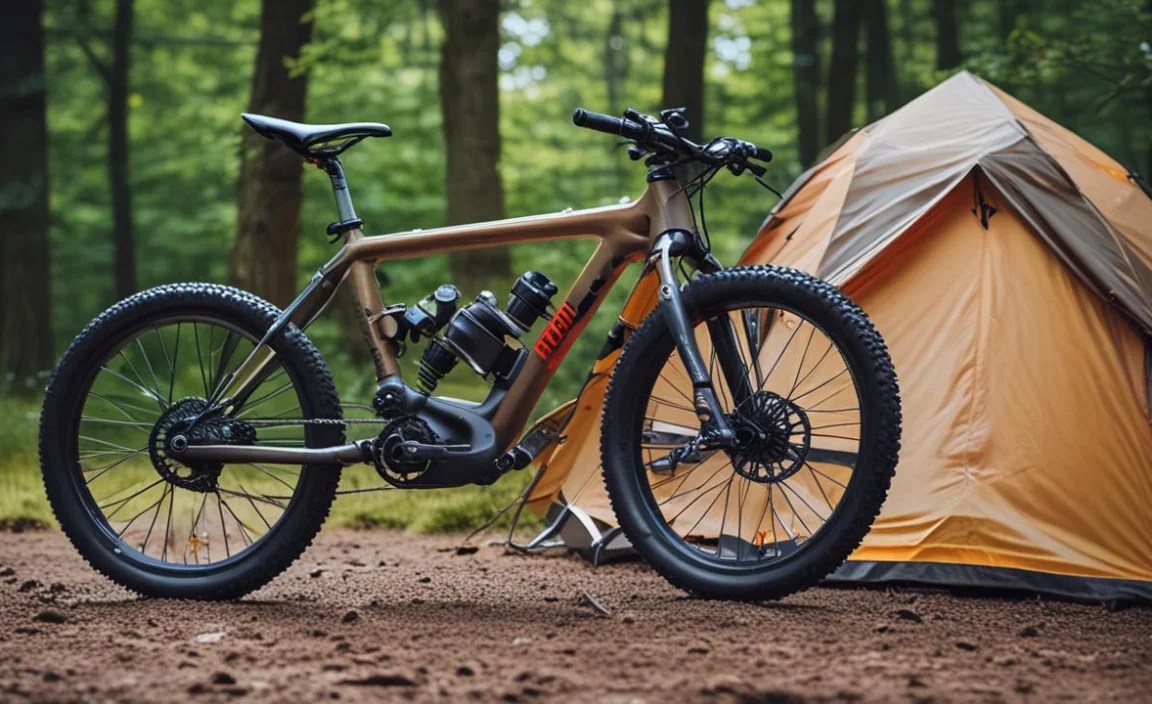
These are the bits and pieces that might not be strictly essential, but they make a world of difference to your comfort and enjoyment.
- Camp Chair: A foldable camping chair provides a comfortable place to sit and relax.
- Water Bottle/CamelBak: Staying hydrated is important. A reusable bottle is eco-friendly.
- Power Bank: To keep your phone and other devices charged. Essential for communication and photos!
- Trash Bags: To keep your campsite clean and tidy – leave no trace!
- Book/Entertainment: For downtime.
- Earplugs: Events can be noisy, and earplugs can help you get a solid night’s sleep.
- Sunscreen & Sunglasses: Don’t be caught out by unexpected sunshine!
- Insect Repellent: Especially for evenings.
Packing Your Bike: Tetris Masters Required

Now, how do you get all this onto your bike? This is where smart packing comes in. If you’ve got panniers, a top box, or a tail bag, you’re already ahead. Otherwise, consider a sturdy set of saddlebags and a good-quality tail pack.
Packing Strategically
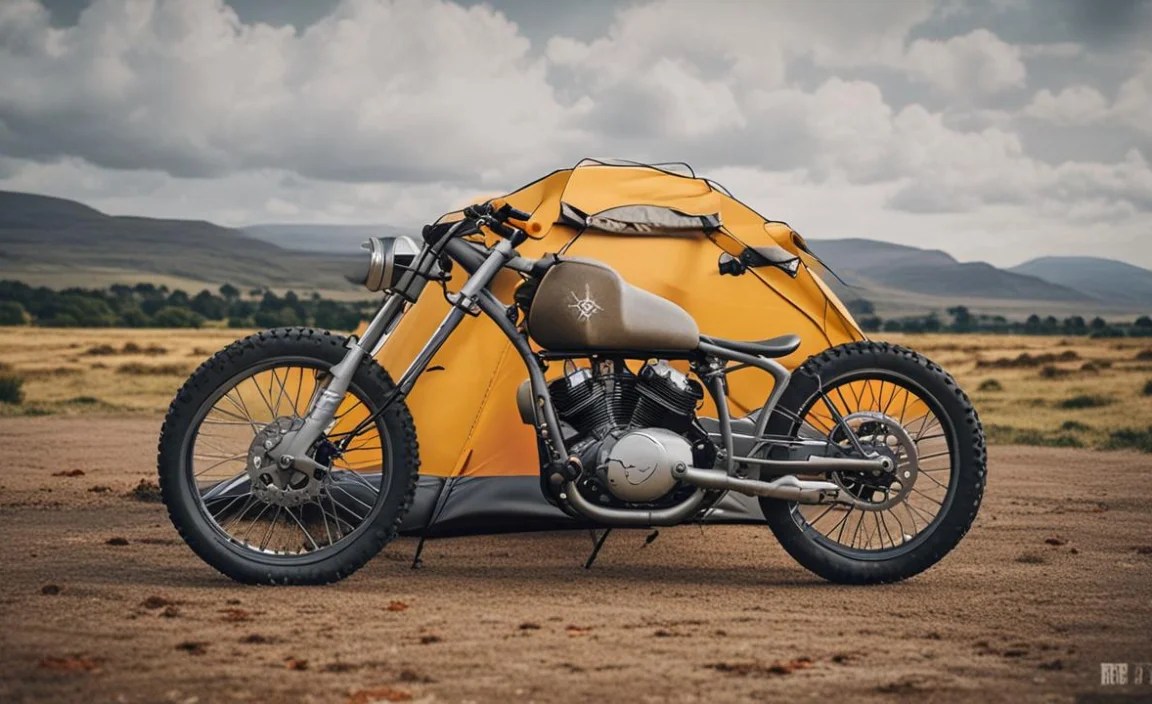
Think about weight distribution and accessibility.
- Heavy Items Low and Central: Pack heavier items (like tools or cooking gear) low down and close to the centre of the bike for better stability.
- Frequently Needed Items Accessible: Keep things you might need quickly (water, snacks, waterproofs) in easily reachable pockets or on top of your bags.
- Waterproof Everything: Use dry bags or heavy-duty bin liners inside your panniers and bags to create an extra layer of protection against the elements. Even if your bags are waterproof, this adds peace of mind.
- Secure Everything: Use bungee cords or cargo nets to secure any loose items safely. Nothing should be swinging around while you ride.
- Practice Pack: Do a test pack at home. Does it feel balanced? Can you still access your fuel cap? If it feels too heavy or awkward, adjust while you have the luxury of your garage.
For tips on motorcycle luggage and packing, resources like RevZilla’s luggage guide, though US-based, offer excellent general advice on types of luggage and packing fundamentals that apply everywhere.
Frequently Asked Questions
Q1: What’s the most important thing to pack for camping at a UK custom bike event?

A: The absolute most crucial items are a reliable, waterproof shelter (tent) and a warm sleeping bag suitable for the potential cold. Without these, you won’t get proper rest, which can impact your enjoyment and energy levels.
Q2: I’m on a budget. What are some cost-saving tips for camping gear?

A: Look for sales at outdoor retailers, consider buying secondhand (especially tents and sleeping bags in good condition), or borrow gear from friends.
