Quick Summary: Planning a dual sport ride in Florida is easy with the right schedule! Discover epic tours, find bike-friendly routes, and get ready for unforgettable adventure across the Sunshine State with this beginner-friendly guide to a memorable dual sport ride Florida schedule.
Hey there, fellow riders! Barry K. Richmond here. So, you’re dreaming of hitting the open roads and trails of Florida on your dual sport bike, but aren’t sure where to start with planning? It’s totally normal to feel a bit overwhelmed when you’re charting out an epic tour. Florida is a massive state with incredible terrain, from scenic coastal highways to hidden inland paths perfect for your dual sport machine. But don’t worry, we’ll break down how to create your ultimate Florida dual sport ride schedule. Get ready to explore!
Unveiling Your Epic Florida Dual Sport Ride Schedule

Florida might be known for its beaches and theme parks, but for us dual sport riders, it’s a treasure trove of adventure. The Sunshine State offers a diverse landscape that’s surprisingly welcoming to bikes capable of handling both pavement and a bit of dirt. Creating your “dual sport ride Florida schedule epic tour” is all about balancing popular spots with those off-the-beaten-path gems. We want routes that are accessible, scenic, and offer a good mix of challenges and relaxation. Let’s imagine a fantastic journey that showcases the best of what Florida has to offer our kind of riding.
Why a Dual Sport Ride Florida Schedule is Your Best Friend

A well-planned schedule isn’t just about knowing where you’re going; it’s about maximizing your adventure and minimizing headaches. For a dual sport ride, this means considering:
- Route Variety: Mixing paved, gravel, and light off-road sections to truly use your dual sport’s capabilities.
- Accessibility: Ensuring trails and roads are open to motorcycles and suit a beginner or intermediate skill level.
- Logistics: Planning fuel stops, food breaks, and overnight stays in rider-friendly locations.
- Scenery: Pinpointing those breathtaking vistas and unique Florida experiences.
- Timing: Considering weather, seasonal events, and the best time of year to ride.
Choosing Your Epic Tour: Styles of Florida Dual Sport Riding

Florida isn’t all flat coastal plains. You’ll find surprising variety. When building your schedule, think about the type of riding you want:
- Coastal Cruises: Hugging the Atlantic and Gulf shores, enjoying ocean breezes and seafood stops.
- Forest & Swamp Explorations: Venturing into the Ocala National Forest, the Everglades periphery, and other natural areas.
- Agricultural Backroads: Winding through citrus groves and farmland in Central Florida.
- Historic Trails: Following old routes and discovering Florida’s rich past.
Sample Dual Sport Ride Florida Schedule: The “Sunshine Explorer” (5-Day Tour)

This is a suggestion to get your wheels turning! It’s designed for accessibility and a good introduction to Florida dual sport riding. It focuses on central and north-central Florida, offering a mix of terrain.
Day 1: Arrival & Ocala National Forest Gateway

- Morning (9:00 AM): Arrive in the Ocala area. Ensure your bike is fueled, tires are checked (proper inflation is key for mixed terrain!), and you have your navigation set. Consider downloading offline maps from services like USDA Forest Service’s Ocala National Forest site for trail info.
- Late Morning (10:00 AM): Head into the Ocala National Forest. Start with some well-maintained forest service roads. Look for trails designated for dual sport or ORV use. A great starting point might be near the Juniper Springs area.
- Lunch (12:30 PM): Pack a picnic to enjoy at a scenic spot within the forest.
- Afternoon (1:30 PM): Explore more trails, perhaps heading south towards the Alexander Springs or Salt Springs areas. Always be aware of signage and trail restrictions for motorcycles.
- Evening (5:00 PM): Exit the forest and head to a pre-booked accommodation in a town like Ocala or Salt Springs.
- Dinner: Enjoy a hearty meal. Many towns in this region have casual, rider-friendly eateries.
Day 2: Ocala’s Hidden Gems & Towards Paynes Prairie

- Morning (9:00 AM): After breakfast, explore some of the lesser-known forest roads or a different section of Ocala National Forest.
- Late Morning (10:30 AM): Begin heading north-west towards the Paynes Prairie State Preserve area. This will involve a mix of county roads and some highway cruising.
- Lunch (12:30 PM): Stop in a small town like Hawthorne or Micanopy for lunch.
- Afternoon (2:00 PM): Arrive near Paynes Prairie. While the preserve itself has limitations for motorized vehicles, the surrounding areas offer interesting dirt roads and scenic routes. You can often find routes that skirt the preserve, offering views without direct entry. The historic town of Micanopy is worth a stroll.
- Evening (5:00 PM): Settle into accommodation in the Gainesville area.
- Dinner: Gainesville has a wide range of dining options.
Day 3: North Florida Trails & Springs Adventure

- Morning (9:00 AM): From Gainesville, head north towards areas with spring systems and more rural roads. Consider exploring routes around the Ichetucknee Springs or Gilchrist Blue Springs State Park vicinities.
- Late Morning (10:30 AM): Focus on county gravel roads and unimproved roads that are generally open to the public. Look for opportunities to stop and enjoy the natural beauty of Florida’s springs (though swimming might take too much time on a tight schedule, you can still admire them!).
- Lunch (12:30 PM): Find a local cafe or diner in a town like High Springs or Bell.
- Afternoon (2:00 PM): Continue exploring the network of rural roads. Areas west of Lake City can offer a good mix of dirt and gravel. Be sure to check local regulations; not all dirt roads are legal for dual sport bikes. The Federal Highway Administration offers resources on multi-use trails, which can sometimes give clues about road types.
- Evening (5:00 PM): Head towards a comfortable overnight stop in the Lake City or Live Oak area.
- Dinner: Relax and refuel.
Day 4: Southern Loop Back Towards Central Florida

- Morning (9:00 AM): Begin a southerly route from your overnight stop. This day is about connecting back towards the central part of the state, potentially exploring different rural road systems.
- Late Morning (10:30 AM): Aim for routes that go through agricultural areas. Think about roads that weave through old cattle ranches or citrus groves (be mindful of private property and “No Trespassing” signs).
- Lunch (12:30 PM): Break in a smaller community.
- Afternoon (2:00 PM): Continue south, perhaps aiming for routes that might eventually lead you back into the fringes of the Ocala forest or other natural areas. Consider areas around US-27 or west of I-75 for road variety.
- Evening (5:00 PM): Find accommodation in a town that puts you in a good position for your final day, maybe somewhere like Wildwood or Leesburg.
- Dinner: Enjoy your last full night of adventure.
Day 5: Central Florida Scenic Roads & Departure

- Morning (9:00 AM): Enjoy a final ride on some scenic county roads. Depending on your departure point, you might explore areas further south or revisit a favorite type of terrain from earlier in the week.
- Late Morning (10:30 AM): Focus on well-maintained gravel or even some paved roads with interesting twists and turns. Areas around the Green Swamp Wilderness Preserve (peripheral roads) could offer something different.
- Lunch (12:00 PM): A final Floridian meal before heading home.
- Afternoon: Depart from your chosen location.
Essential Gear and Bike Prep for Your Epic Tour

Before you even think about the schedule, your bike and gear are paramount. For a dual sport ride, think versatile!
Bike Checklist:

- Tires: Ensure you have appropriate dual sport tires with good tread for varied surfaces. Check tire pressure before each day’s ride – it’s crucial for handling and comfort on both pavement and dirt.
- Fluids: Check oil, coolant, and brake fluid levels.
- Chain/Belt: Lubricate and adjust as needed.
- Brakes: Pads and lines should be in excellent condition.
- Lights & Electrics: All lights, horn, and signals working.
- Tool Kit: Pack essentials like tire irons, patch kit, pump, multi-tool, zip ties, duct tape, and basic wrenches.
- Navigation: GPS device or smartphone with reliable mapping apps (like Gaia GPS or even Google Maps with downloaded offline areas). A RAM mount for your phone is a good investment.
- Luggage: Saddlebags or a tail bag to carry your gear. Water and snacks are a must.
Rider Gear Checklist:

- Helmet: Full-face or modular is recommended for maximum protection.
- Riding Jacket & Pants: Vented for Florida heat, but with protective armor.
- Gloves: Padded and breathable.
- Boots: Sturdy, over-the-ankle riding boots.
- Rain Gear: Florida weather can change in an instant!
- Hydration Pack: Essential for staying cool and hydrated on long rides.
- First-Aid Kit: For minor emergencies.
Navigating Florida’s Dual Sport Terrain

Florida’s dual sport riding is largely about managing the terrain and understanding where you can legally ride. Here’s what you need to know:
What to Expect:

- Forest Roads: Within national forests like Ocala, many dirt and gravel roads are designated for public travel. These are your bread and butter. Always respect posted speed limits and any signage.
- County Roads: Many unpaved county roads, especially in the more rural parts of North Florida, can be excellent for dual sport riding. Look for maintained gravel and dirt surfaces.
- State Parks & Preserves: Generally speaking, motorized vehicle access is highly restricted within State Parks and Preserves. Stick to the perimeter roads or designated access points. Double-check the specific rules for each park.
- Private Property: This is a big one! Never ride on private land without explicit permission. Trespassing can lead to fines and ruin access for everyone.
- “Green Swamp” Areas: While not a single preserve, areas known as “green swamp” or wetlands can have subtle navigational challenges and may be more sensitive environmentally. Tread lightly and stick to established paths.
Resources for Finding Routes:
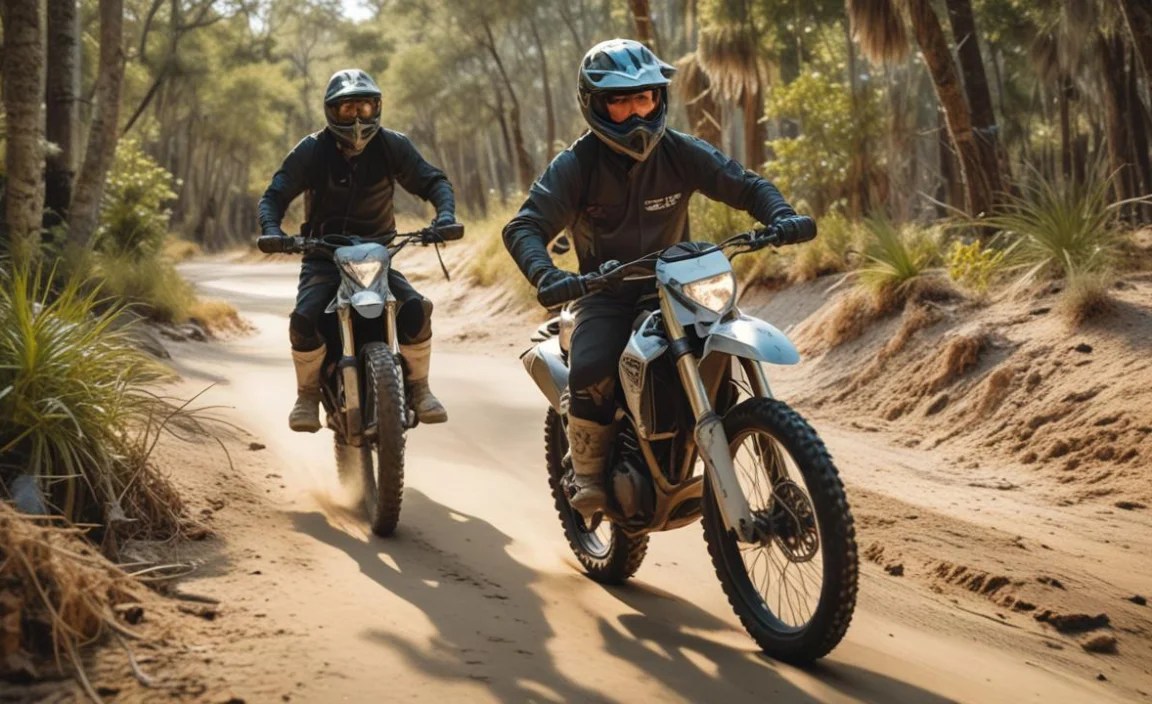
Beyond official forest service maps, a few tools can help:
- Dual Sport Communities: Online forums and Facebook groups dedicated to dual sport riding in Florida are invaluable. Riders often share GPX tracks and route ideas.
- Adventure Rider Maps: Websites and apps like Rever, RideWithGPS, or even Google Maps (using terrain view and satellite imagery) can help you spot potential dirt roads. However, always verify these roads are legal for motorized use.
- Local Knowledge: If you encounter other dual sport riders, strike up a conversation! They might have the best tips.
Timing Your Epic Ride: Best Months for Dual Sport in Florida

Florida weather is a major factor. While you can ride year-round, some seasons are significantly more pleasant for the type of riding we do.
Ideal Months:
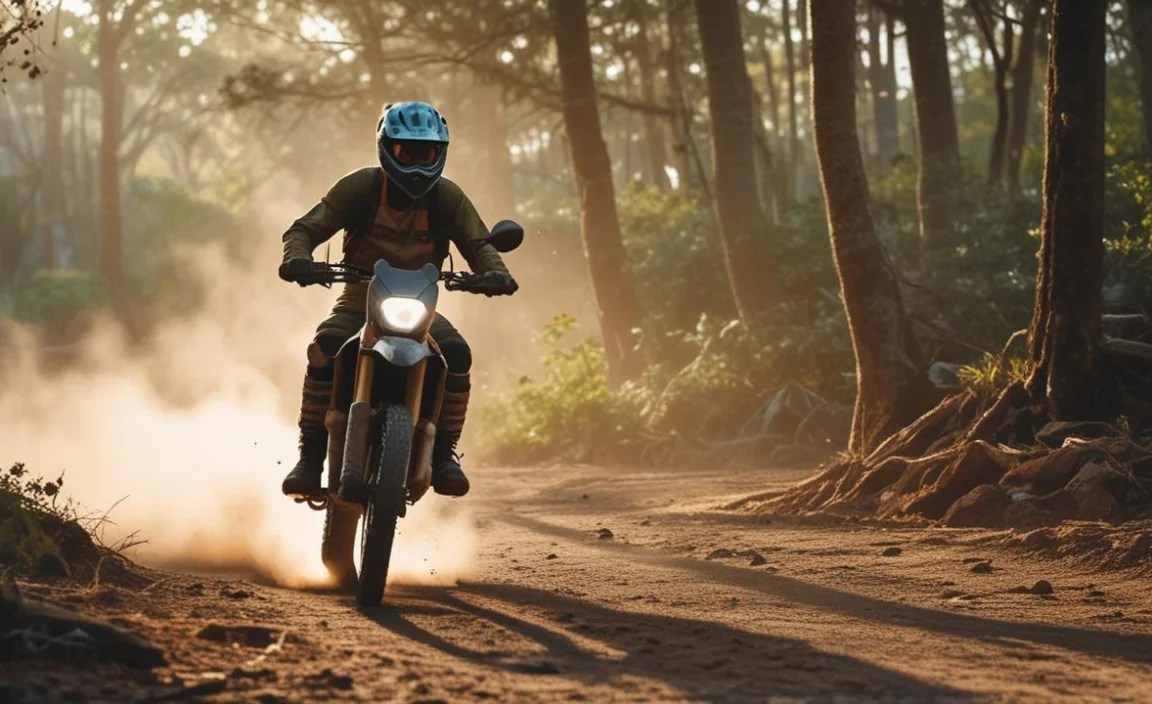
- November to April: This is generally considered the “dry season” and the most comfortable time to ride. Temperatures are cooler (average highs in the 60s and 70s Fahrenheit), humidity is lower, and there are fewer thunderstorms compared to summer. Mosquitoes are also less of a nuisance.
Challenging Months:
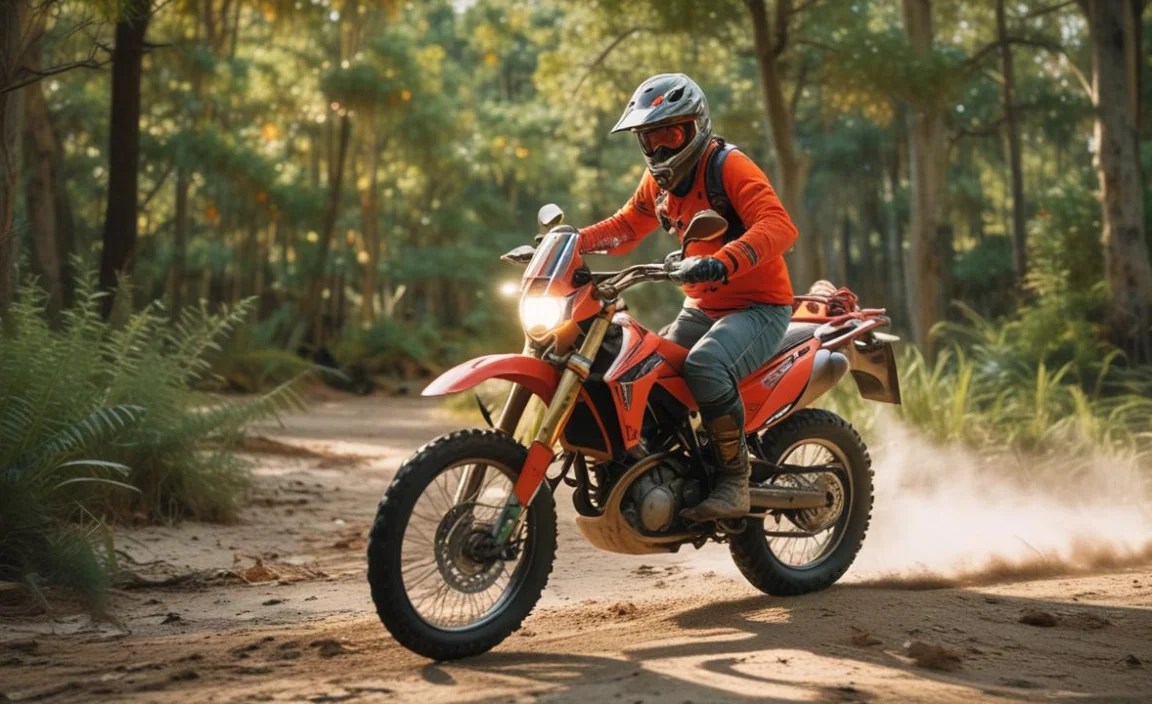
- May to October: This is Florida’s “wet season” and hurricane season. It’s hot, humid, and afternoon thunderstorms are common, often severe. Rain can quickly turn dirt roads into muddy messes, making riding difficult or impossible. Hurricane threats can arise with little notice. If riding during these months, plan for shorter days, flexibility, and be prepared for rain.
Table: Florida Dual Sport Riding Regions at a Glance

Here’s a quick look at some regions that lend themselves well to dual sport riding and potential routes:
| Region | Primary Terrain | Potential Highlights | Considerations |
|---|---|---|---|
| North Florida (Ocala National Forest) | Pine forests, sandy roads, oak hammocks, natural springs | Extensive forest service roads, hidden springs, varied terrain | Sandy sections can be challenging; check Forest Service maps for designated routes. |
| North Central Florida (Gainesville/High Springs) | Rolling hills, farmland, springs, rural roads | Historic towns, beautiful spring systems (observing from outside), network of county gravel roads | Less dense forest, more open agricultural land; watch for private property. |
| Central Florida (Citrus/Sumter Counties) | Rolling hills, vast agricultural areas (citrus, cattle), some palmetto scrub | Quiet backroads, scenic farmland views, access to chain of lakes areas | Can be more private land-heavy; use caution and respect boundaries. |
| Southwest Florida (Fakahatchee/Big Cypress periphery) | Cypress swamps, mangrove fringes, coastal plains | Unique ecosystems (view from designated access), remote feel | Extremely sensitive environment. Riding is very restricted; focus on main access roads and be VERY careful of environmental impact. Stick to designated trails/roads. |
Safety First: Responsible Dual Sport Riding in Florida

Riding is fun, but safety is non-negotiable. Especially when venturing onto less-maintained roads.
- Buddy System: If this is your first epic tour, ride with a friend. Two bikes are safer than one.
- Tell Someone Your Plans: Leave your itinerary with a trusted person.
- Know Your Limits: Don’t attempt trails that are clearly beyond your skill level or your bike’s capabilities, especially if you’re riding solo.
- Watch for Wildlife: Deer, hogs, and even alligators can be on or near roads, particularly at dawn and dusk.
- Hydration is Key: Florida heat and humidity can dehydrate you faster than you think. Drink water continuously.
- Fuel Planning: Rural Florida means gas stations can be far apart. Always keep an eye on your fuel gauge and plan your next fill-up. A small auxiliary fuel tank or a quality fuel jerry can might be worthwhile for longer, more remote days.
- Know Your Routes: Use GPS but also have a basic paper map as a backup. Electronics can fail.
Beyond the Schedule: Flexibility and Enjoyment

While a schedule provides a great framework, the beauty of dual sport riding is the freedom. If you discover an amazing-looking dirt road that’s legal to ride, or if you stumble upon a charming small-town cafe, don’t be afraid to deviate slightly from your plan. The best adventures often include unexpected detours.
Remember, the goal is to have an epic time. Don’t pack your schedule so tightly that you can’t stop to take photos, enjoy the scenery, or simply soak in the experience. Florida offers a unique blend of natural beauty and accessible trails that make it a fantastic destination for dual sport riders of all levels.
Frequently Asked Questions (FAQs)
Q1: What are the typical types of terrain I can expect on a dual sport ride in Florida?

You’ll encounter a mix! Expect sandy forest roads, hard-packed gravel, some paved county roads, and potentially some sections of soft sand or mud, especially after rain. North Florida offers more pine forests and oak hammocks, while Central Florida might have more agricultural backroads or limestone-based roads.
Q2: Are there specific areas in Florida recommended for beginner dual sport riders?

Yes! The Ocala National Forest is often a great starting point.
