Planning a motorcycle camping trip in India? Make your sunset rides unforgettable with these essential hacks! We’ll cover gear, safety, and route planning to ensure your journey is smooth and enjoyable as the sun dips below the horizon. Get ready for an epic adventure!
Hey there, fellow riders! Barry K. Richmond here. Ever dreamt of waking up in the Himalayas with your bike parked right outside your tent, or watching the sun paint the Rajasthani desert golden from your campsite? Motorcycle camping in India is an incredible experience, combining the freedom of the open road with the serenity of nature. But let’s be honest, it also comes with its own set of challenges, especially when you’re aiming for those magical sunset rides that often lead into setting up camp.
Many riders worry about navigating after dusk, finding suitable campsites, or simply not being prepared for the cooler evening air. It can feel a bit daunting, right? You might be wondering, “Can I really pull this off without a hitch?” The good news is, with a little planning and some smart tips, you absolutely can!
This guide is all about making your motorcycle camping trip in India, especially those picturesque sunset rides, as smooth and enjoyable as possible. We’ll break down everything you need to know, from picking the right spot for that perfect sunset to safely packing up your gear as twilight fades. No complicated jargon, just practical advice from someone who’s been there and done it.
Ready to level up your motorcycle camping game and embrace those golden hour rides? Let’s get started!
Harnessing the Golden Hour: Sunset Ride Hacks for Indian Motorcycle Camping

The allure of a sunset ride on your motorcycle is undeniable. In India, with its dramatic landscapes, this experience can be truly breathtaking. Imagine cruising along a winding mountain road, the sky ablaze with colour, knowing a cozy campsite awaits you. But making this idyllic vision a reality requires some clever planning and a few essential hacks. Let’s dive into how you can master the art of the sunset ride and integrate it seamlessly into your Indian motorcycle camping adventures.
1. Plan Your Sunset Route and Campsite in Advance

This is probably the most crucial step for a successful sunset ride that leads into camping. Don’t leave it to chance!
- Scout Potential Locations: Before your trip, use tools like Google Maps, satellite imagery, and travel blogs to identify scenic viewpoints or elevated areas along your intended route that offer good sunset vistas. Look for roads that gently lead upwards towards such spots.
- Check Daylight Hours: Always know the sunset time for your specific location and date. Websites like Time and Date provide accurate sunrise and sunset information. Plan to be at your sunset viewing spot at least 30-45 minutes before the actual sunset to truly enjoy the changing colours.
- Identify Nearby Campsites: Equally important is knowing where you’ll sleep after the sun goes down. Look for designated campsites, small dhabas (roadside eateries) that might offer space for a tent, or areas where camping is permissible. Check if these are accessible from your sunset spot without a lengthy or difficult ride in darkness.
- Consider Road Conditions: Are the roads leading to your sunset spot and then to your campsite well-maintained? Are they paved or gravel? This will affect your riding speed and comfort, especially as light fades.
2. Gear Up for Different Light and Temperatures

The transition from a warm, bright day to a cool, dim evening requires careful gear selection.
- Visibility is Key:
- Reflective Gear: Invest in clothing and helmet accessories with high-visibility reflective panels. These will catch the light from vehicles behind you, significantly increasing your safety.
- Auxiliary Lighting: While not legally mandatory everywhere, consider adding auxiliary LED lights or fog lamps to your motorcycle. These can be invaluable for improving visibility in low-light conditions, especially on winding or poorly lit roads. Check local regulations before installing.
- Bright Helmet: A brightly coloured helmet, especially fluorescent yellow or orange, makes you more visible during the day and twilight.
- Layer Up: Temperatures can drop rapidly as the sun sets in India, particularly in hilly or desert regions. Wear layers that you can easily add or remove. A base layer, a mid-layer fleece or insulated jacket, and your waterproof outer shell make a versatile system.
- Hand Warmers: Consider carrying disposable hand warmers if you anticipate very cold evenings, especially in higher altitudes.
- Earplugs: Wind noise becomes more noticeable and fatiguing in twilight. Earplugs can reduce this, making your ride more comfortable and helping you focus.
3. Prepare Your Motorcycle for Dim Riding

Your trusty steed needs to be ready for less-than-ideal lighting conditions.
Regular maintenance is your first defence. Ensure your headlights and taillights are clean and functioning at full brightness. A dim headlight could mean it’s time to replace the bulb or clean the lens. Check out resources on basic motorcycle lighting maintenance from reputable sources like NHTSA (National Highway Traffic Safety Administration) for general principles, though always refer to your motorcycle’s specific manual.
- Headlight Check: Ensure your low and high beams are working correctly. Clean the lens for maximum light output.
- Taillight and Brake Light: These are crucial for being seen by traffic behind you. Make sure they are bright and unobstructed.
- Indicator Lights: Check that your turn signals are functioning properly.
- Tire Pressure: Properly inflated tires handle better and offer more predictable grip, which is vital when visibility is reduced.
- Chain Lubrication: A well-lubricated chain ensures smooth power delivery and less potential for unexpected issues.
4. Smart Navigation: Don’t Get Lost in the Dusk

Navigating as daylight fades requires extra precautions.
Relying solely on your phone’s GPS can be risky due to battery drain or poor signal. The best approach is a multi-layered one.
- Offline Maps: Download maps of your entire route and surrounding areas using apps like Google Maps, Maps.me, or OsmAnd before you leave. This ensures navigation even without a data connection.
- Dedicated GPS Device: If you do a lot of touring, a dedicated GPS unit is a worthwhile investment. They are generally more robust and have better battery life than phones.
- Physical Maps: Always carry a physical map of the region as a backup. They don’t run out of battery and can provide a broader overview of the area.
- Pre-Ride Route Study: Spend time studying your route beforehand. Identify key turns, landmarks, and potential hazards. Knowing what to expect mentally makes it easier to navigate when you can’t see as clearly.
- Plan for Stops: If you find yourself losing light faster than expected, don’t hesitate to stop at the nearest safe place – a village, a dhaba, or a well-lit area – and reassess. It’s better to wait an hour for full darkness and ensure safety, or even set up camp early, than to push on blindly.
5. The Art of Finding a Campsite After Sunset

Sometimes, the perfect sunset spot might not have a campsite nearby, or you might arrive at dusk and need to find a place to rest.
Here’s how to approach finding a safe and suitable spot when the light is fading:
- Look for Established Spots: If you planned well, aim for your pre-identified campsite. If not, look for signs of previous campers or established resting areas.
- Ask Locals (Politly): If you’re near a village, approach a small shop or a roadside eatery (dhaba) and politely ask if there’s a safe place to pitch a tent nearby, or if they allow camping on their premises for a small fee. Many are hospitable.
- Avoid Risky Terrain: At dusk, it’s harder to judge the ground. Avoid areas that look too steep, are near water bodies without clear boundaries, or seem prone to landslides or flooding.
- Prioritize Safety: If you feel uneasy about a spot or the surrounding area, keep moving. Trust your instincts. It’s better to ride an extra 15-30 minutes to a more secure location than to compromise your safety.
- Proximity to Water and Shelter: Ideally, your campsite should be relatively flat, offer some natural shelter from wind if possible, and be reasonably close to a water source if you need it for cooking or drinking.
6. Essential Camping Gear for India

Packing smart is key to enjoying your trip. Here’s what you’ll need:
| Category | Essential Items | Notes for India |
|---|---|---|
| Shelter | Tent, Groundsheet, Sleeping Bag, Sleeping Mat | Choose a lightweight, waterproof tent suitable for 3 seasons. Ensure your sleeping bag is rated for the expected night temperatures. A good sleeping mat adds comfort and insulation. |
| Cooking & Food | Portable Stove, Fuel, Utensils, Cookware, Water Bottle/Filter, Non-perishable Food | Carry enough fuel. Instant noodles (Maggi is a staple in India!), dal, rice, and ready-to-eat meals are good options. A water filter or purification tablets are highly recommended. |
| Clothing | Base Layers, Mid-Layers (fleece), Outer Shell (waterproof & windproof jacket/pants), Warm Socks, Beanie, Gloves | Layering is crucial for temperature fluctuations. Include thermal wear. |
| Tools & Repair | Multi-tool, Tire Repair Kit, Basic Toolkit, Pump, Bungee Cords, Duct Tape | Essential for quick fixes on the road or at the campsite. |
| Health & Safety | First-Aid Kit, Insect Repellent, Sunscreen, Personal Medications, Hand Sanitizer, Headlamp/Torch | A comprehensive first-aid kit is a must. High SPF sunscreen for daytime, and a reliable headlamp for setting up camp after dark. |
| Power & Tech | Power Bank, Phone Charger, Camera (optional) | Essential for keeping your navigation and communication devices charged. |
7. Secure Your Motorcycle Overnight

Your motorcycle is your ticket to adventure, so protect it.
Finding a safe haven for your bike is paramount when camping. Even in seemingly peaceful locations, opportunistic theft can occur.
- Best Practice: Keep it Close: If possible, park your motorcycle right next to your tent. This provides a visual deterrent and makes it harder for someone to tamper with it unnoticed.
- Lock it Up: Always use a strong disc lock with an alarm. Consider a heavy-duty chain lock as well, securing your bike to a fixed object if available (e.g., a sturdy tree or pillar).
- Engage Neutral and Parking Brake: Ensure your motorcycle is parked on a level surface and that the parking brake is engaged.
- Remove Valuables: Never leave any valuable items like helmets, GPS devices, or wallet in your luggage or unsecure places on the bike. Take them with you into the tent.
- Consider Location: If you are at a managed campsite, ask the staff about secure parking options. If you encountered people on the road, briefly explaining your situation and asking for a safe spot might even gain you local goodwill and a watchful eye.
8. Practicing Leave No Trace
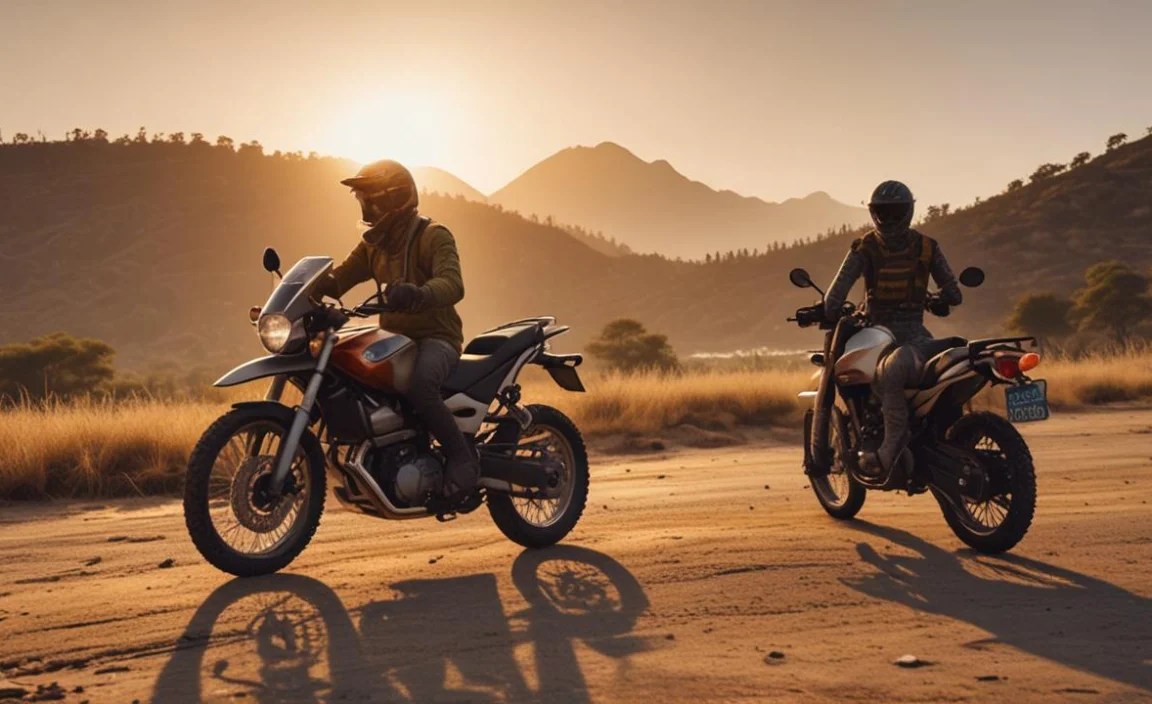
As responsible riders and campers, we must protect India’s natural beauty.
The principles of ‘Leave No Trace’ are simple but powerful. They ensure that future generations can enjoy these pristine environments just as we do.
- Plan Ahead and Prepare: As we’ve discussed, this is the foundation of responsible outdoor recreation.
- Travel and Camp on Durable Surfaces: Stick to established trails and campsites. Avoid trampling vegetation.
- Dispose of Waste Properly: Pack it in, pack it out. This includes food scraps, wrappers, and any other trash. Bury human waste at least 6 inches deep and 200 feet from water, or pack it out if necessary.
- Leave What You Find: Do not take rocks, plants, or other natural objects.
- Minimize Campfire Impacts: Use a portable stove for cooking. If you must have a fire, keep it small and use an existing fire ring. Ensure it is completely out before leaving.
- Respect Wildlife: Observe animals from a distance and never feed them. Secure your food properly to avoid attracting animals to your campsite.
- Be Considerate of Other Visitors: Keep noise levels down and respect the solitude of others.
9. Quick Safety Reminders for Sunset Rides

Your safety is always the top priority. Here are a few more points to keep in mind as the day ends:
- Ride within Your Skill Level: Don’t push yourself to ride faster or on more challenging terrain than you are comfortable with, especially in fading light.
- Maintain Safe Following Distance: It takes longer to stop in low light. Increase the distance between you and the vehicle in front.
- Be Visible: Use your lights appropriately. Aim to make yourself as noticeable as possible.
- Watch for Animals: Dusk is a common time for animals to become active. Be extra vigilant for cattle, dogs, or wild animals.
Frequently Asked Questions
What is the best time of year for motorcycle camping in India?

The best time generally falls between October and March. During these months, the weather is cooler and drier across most of India, making riding and camping much more comfortable. Avoid the heavy monsoon season (June to September) and the intense heat of summer (April to May) for a better experience.
How do I choose a safe campsite when motorcycle camping in India?

Look for established campgrounds or designated tourist spots if available. Otherwise, seek permission from local landowners if camping on private property. Avoid isolated areas that might be prone to wildlife or security issues. Being visible and close to a village or small town can offer a sense of security. Always assess the terrain for stability, especially if parking your motorcycle.
What essential motorcycle gear do I need for camping in India?

Beyond riding gear (helmet, jacket, pants, gloves, boots), consider durable saddlebags or panniers, a tent, sleeping bag, sleeping mat, a portable stove, cooking utensils, a first-aid kit, navigation tools, and a multi-tool. Ensure your motorcycle is in excellent condition, with checks on tires, brakes, and lights.
Are there specific safety concerns for sunset rides when motorcycle camping?

Visibility drops significantly after sunset. Always consider daylight hours for travel, especially on unfamiliar routes. If riding in low light, ensure your headlights and taillights are bright and functioning perfectly. Be extra cautious of unseen obstacles, animals, and changing road surfaces. Riding in groups can also enhance safety.
How can I pack efficiently for motorcycle camping in India?

Utilize waterproof saddlebags and a tail bag. Pack lighter, multi-functional items. Roll your clothes to save space and prevent creases. Distribute weight as evenly as possible on the motorcycle for better handling. Secure all luggage tightly to prevent shifting during the ride.
What about mobile connectivity and charging devices while camping in India?

Connectivity can be spotty in remote areas. Consider a portable power bank for charging your phone and other devices. Download offline maps before you leave. Inform someone of your intended route and expected arrival times.
Should I carry extra fuel for motorcycle camping trips in India?

Absolutely, especially in remote or mountainous regions of India. Fuel stations can be infrequent. Carry a sturdy, approved fuel canister that can be securely attached to your motorcycle. Aim to refuel whenever you see a station, even if your tank isn’t near empty.
