This guide offers essential tips for planning and executing a successful motorcycle meetup Southwest tour cross-country, covering preparation, route planning, safety, and enjoying the ride.
So, you’re dreaming of hitting the open road for a motorcycle meetup Southwest tour cross-country? That’s fantastic! Riding with a group through the stunning landscapes of the Southwest is an unforgettable experience. But planning a big trip like this can feel a bit overwhelming, especially if it’s your first time. Don’t worry, we’ve got your back. This guide will break down everything you need to know, from getting your bike ready to navigating the highways, making sure your cross-country adventure is safe, fun, and smooth sailing. Let’s get you prepared for an epic ride!
Planning Your Motorcycle Meetup Southwest Tour: The Ultimate Cross-Country Checklist

Embarking on a motorcycle meetup Southwest tour cross-country is more than just riding; it’s about camaraderie, adventure, and soaking in incredible scenery. As a seasoned rider, I can tell you that proper preparation is the secret sauce to a memorable trip. This isn’t about turning you into a mechanic overnight, but about empowering you with the knowledge to ensure your bike is ready, your route is safe, and your journey is enjoyable for everyone involved. Let’s dive into the essentials to make your cross-country tour a roaring success.
1. Pre-Trip Bike Preparation: Your Ride’s Best Friend

Before you even think about packing your bags, your motorcycle needs a thorough check-up. Think of it as giving your bike a spa day before a marathon! A well-maintained bike is a safe bike and a happy rider.
Essential Checks:
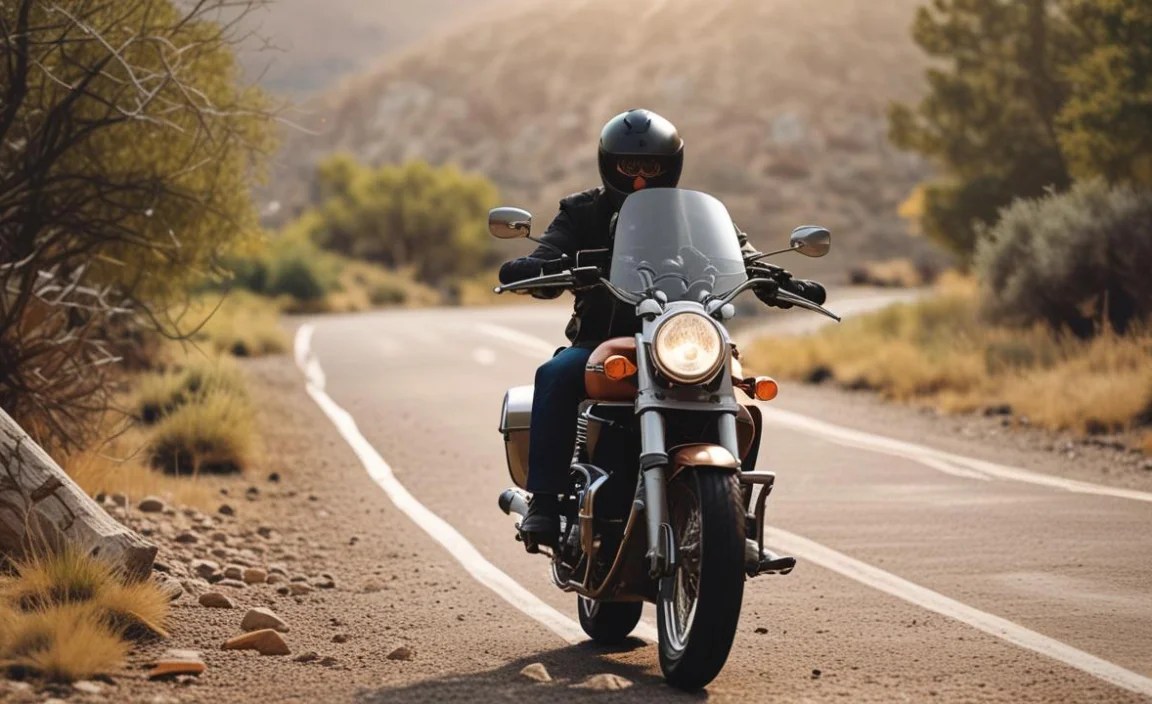
- Tires: Check tire pressure against your bike’s manual. Look for any tread wear or damage. Proper inflation is key for handling and fuel efficiency. You can usually find the recommended pressure on a sticker near the swingarm or in your owner’s manual.
- Brakes: Squeeze the brake levers. Do they feel firm? Check the brake pad thickness. If they look thin, it’s time for a replacement. Don’t forget to inspect brake fluid levels.
- Fluids: Check your engine oil level. Is it between the min and max marks? Also, check coolant levels if your bike is liquid-cooled. Low fluids can cause serious engine problems.
- Chain and Sprockets (if applicable): For chain-driven bikes, check the chain tension. It should have a little bit of slack, but not too much. Look for worn or hooked teeth on the sprockets. A worn chain can be dangerous.
- Lights and Electrics: Test your headlights (high and low beams), tail light, brake lights, and turn signals. Check your horn too. You want to be seen and heard!
- Battery: Ensure terminal connections are clean and tight. If your battery is older, consider having it tested. A dead battery can leave you stranded.
- Cables: Inspect all throttle, clutch, and brake cables for fraying or damage. Lubricate them if they feel stiff.
Recommended Maintenance:
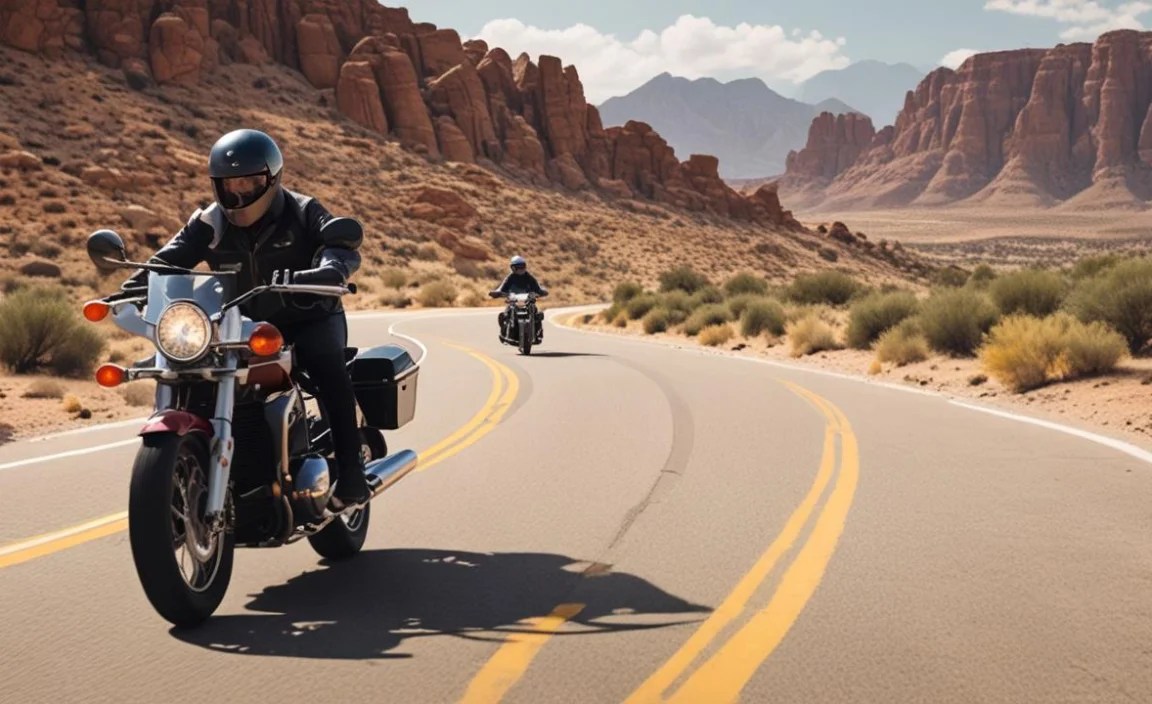
If you’re not comfortable doing these checks yourself, or if your bike is due for servicing, take it to a trusted mechanic well in advance of your trip. A pre-trip service is a worthwhile investment for peace of mind.
2. Route Planning: Charting Your Southwest Adventure

The Southwest is vast and diverse, offering incredible riding opportunities. Planning your route is crucial for maximizing your experience and ensuring a smooth journey.
Choosing Your Path:
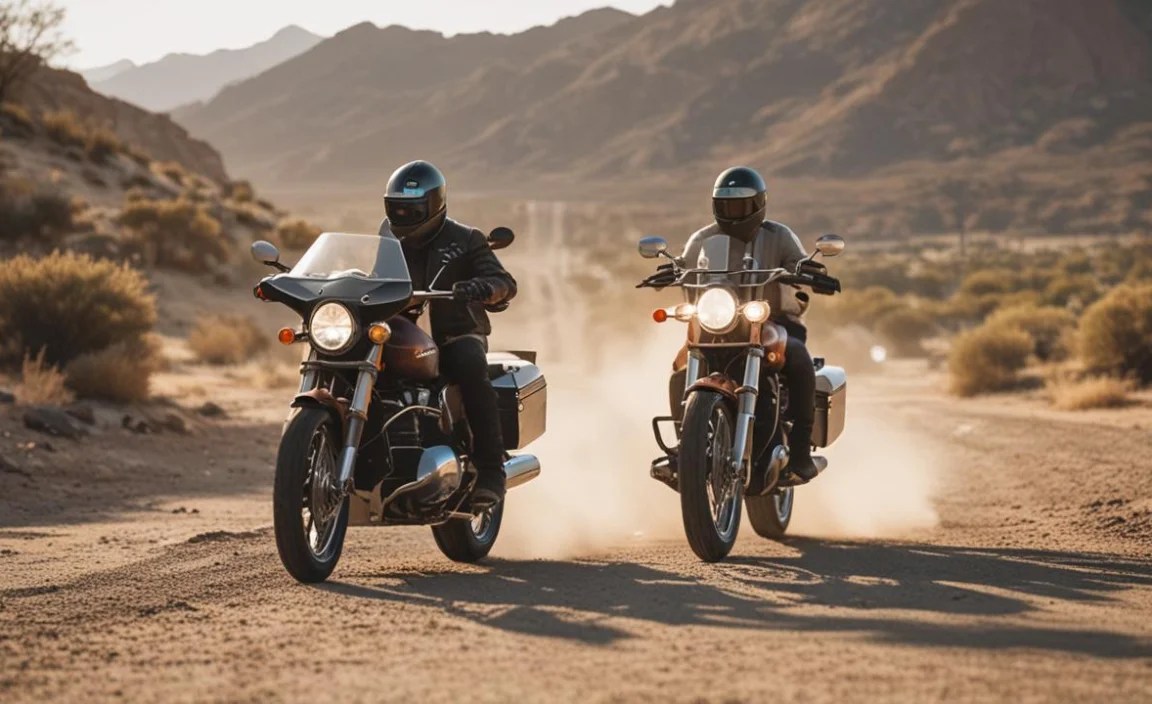
Consider the type of roads you want to ride. Are you looking for scenic byways, open highways, or a mix? The Southwest has it all, from the iconic Pacific Coast Highway (partially in the Southwest region) to legendary routes like Route 66, and the stunning landscapes of national parks.
Key Considerations for Southwest Routes:

- Distance and Pace: Don’t overschedule your days. Factor in time for breaks, fuel stops, unexpected delays, and simply enjoying the scenery. Aim for reasonable daily mileage, especially when riding in a group.
- Weather: The Southwest can experience extreme temperatures, especially in summer. Research historical weather patterns for your travel dates. Be prepared for heat in desert areas and potential cool evenings at higher elevations. Tools like the National Park Service (NPS) website can be invaluable for checking conditions and park advisories.
- Fuel Availability: In some remote parts of the Southwest, fuel stations can be scarce. Plan your fuel stops carefully, especially in desert and mountainous regions.
- Accommodation: Book hotels or campgrounds in advance, especially if you’re traveling during peak season or visiting popular tourist areas.
- Points of Interest: Mark natural wonders, historic sites, and good lunch/dinner spots along your route. The American Southwest boasts incredible attractions like the Grand Canyon, Monument Valley, Zion National Park, and Sedona’s red rocks.
Navigation Tools:
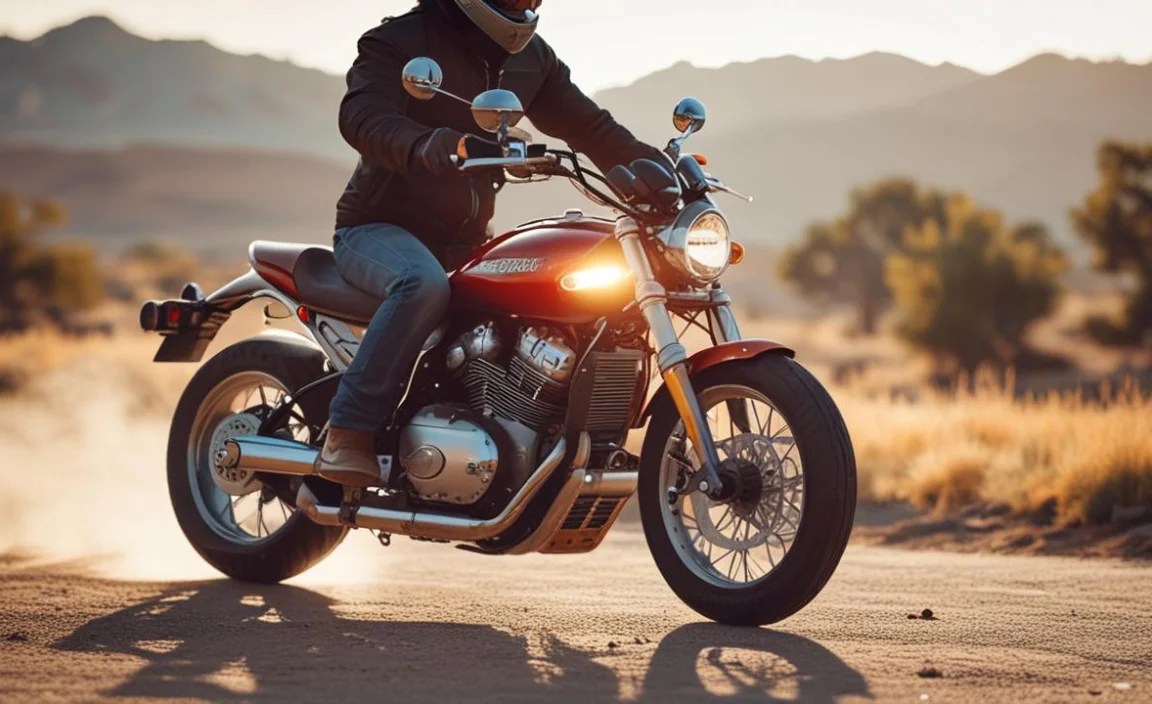
A good GPS device or smartphone navigation app is essential. Make sure you have offline maps downloaded in case you lose cell service. Consider a mount that is secure and easy to view while riding.
| Aspect | Considerations for Southwest Tours | Tips |
|---|---|---|
| Scenery | Deserts, canyons, mountains, historic towns | Prioritize scenic routes over interstates. Look for designated scenic byways. |
| Distance | Large distances between towns | Plan fuel stops meticulously. Carry extra water. |
| Climate | Extreme heat (summer), potential for cold (mountains, night) | Pack layers. Stay hydrated. Check weather forecasts daily. |
| Road Conditions | Varying asphalt quality, potential for sand/gravel near remote areas | Ride cautiously, especially in windy sections or areas with loose debris. |
3. Group Riding Dynamics: Safety and Harmony on the Road

Riding in a group adds a special dimension to a Southwest tour, but it also requires extra awareness and communication. It’s about more than just riding together; it’s about looking out for each other.
Establishing Group Rules:
Before you set off, agree on some basic rules with your meetup group:
- Rider in Charge: Designate a lead rider and a sweep rider. The lead sets the pace and chooses the route. The sweep ensures no one is left behind and helps with any issues.
- Staggered Formation: On highways, maintain a staggered formation. Each rider has their own lane space. This provides a buffer and better visibility.
- Communication: Pre-arrange hand signals for common situations (e.g., turn ahead, slow down, debris on road, fuel stop needed). If possible, intercom systems are excellent for more complex groups.
- Pacing: The lead rider should set a pace that is comfortable for the slowest rider in the group. It’s not a race!
- Riding Two-Up: If the group includes riders with passengers, ensure the pace is suitable for their comfort and skill level.
- Regrouping Points: Plan regular stops to regroup, not just for breaks, but to check on everyone and make sure the group is still together.
Safety First:
Every rider is responsible for their own safety, but group riding enhances collective awareness. Always maintain a safe following distance, even in formation. Be aware of your surroundings and the riders around you. Avoid passing within the group unless absolutely necessary.
4. Essential Gear: Comfort and Protection

Your gear is your personal protective equipment. For a cross-country Southwest tour, you need gear that offers protection, comfort, and adaptability to varying conditions.
Riding Apparel:
- Helmet: A DOT-approved helmet is non-negotiable. Choose one that fits well and is comfortable for long hours. A full-face or modular helmet offers the best protection and wind noise reduction.
- Jacket and Pants: Abrasion-resistant riding jackets and pants, made from leather or specialized textile materials, are crucial. Look for options with built-in armor at the shoulders, elbows, and knees.
- Gloves: Well-fitting riding gloves protect your hands from abrasions and the elements.
- Boots: Sturdy, over-the-ankle boots protect your feet and ankles.
- Rain Gear: The Southwest can still have rain, especially during monsoon season. Waterproof and breathable rain gear is a must.
- Base Layers: Moisture-wicking base layers can significantly improve comfort in both hot and cold conditions.
Comfort Gear:

- Eyewear: Sunglasses or a tinted visor can protect your eyes from sun glare, wind, and debris. Consider an anti-fog treatment for your visor.
- Ear Plugs: Wind noise can be deafening on long rides and can lead to fatigue and hearing damage. Earplugs are a lifesaver.
- Hydration Pack or Water Bottles: Staying hydrated is critical in the desert heat.
Remember the U.S. Department of Energy offers tips on fuel efficiency which indirectly relates to planning your stops and maximizing every drop of fuel on a long journey.
5. Packing Smart: What to Bring for the Long Haul

Packing for a cross-country motorcycle trip requires a strategic approach. You need essentials without overloading your bike.
Motorcycle Luggage Solutions:

- Saddlebags: Available in leather or hard-shell, these are great for general storage.
- Tail Bag: Often more spacious than saddlebags and sits over the rear seat or luggage rack.
- Tank Bag: Convenient for items you need to access quickly, like your phone, wallet, or snacks.
- Backpack: Use sparingly, as a heavy backpack can affect your posture and fatigue. It’s best for day essentials or things you might need immediately off the bike.
Your Packing List:
- Riding Gear (as mentioned above)
- Casual wear for evenings (lightweight is best)
- Underwear and socks
- Toiletries
- First-aid kit (ensure it’s well-stocked for common injuries)
- Basic tool kit for your bike (included in motorcycle maintenance)
- Tire repair kit (plugs or patch kit) and a small air pump or CO2 inflator
- Water and non-perishable snacks
- Sunscreen, lip balm with SPF
- Phone charger and portable power bank
- Navigation devices (GPS, phone)
- Copies of important documents (license, registration, insurance)
- Cash for places that might not accept cards
- Small daypack for quick stops
6. On-the-Road Motorcycle Maintenance: Staying Ahead of Issues

Even with thorough pre-trip checks, things can happen on the road. Knowing basic maintenance will save you time, money, and a lot of stress.
Essential Skills for Every Rider:

- Tire Pressure Check: Do this daily before you ride, especially with temperature fluctuations.
- Chain Lubrication and Adjustment: Check and lube your chain every few hundred miles, or more often if riding in wet conditions. Adjust tension as needed.
- Tightening Loose Bolts: Periodically check critical bolts on your bike, like those on the handlebars, footpegs, and luggage racks.
- Quick Fixes: Learn how to use a tire plug kit. This can get you to a proper repair shop.
What to Carry in Your Toolkit:

A small, comprehensive toolkit can be a lifesaver. Here’s a suggestion:
- Metric wrenches and socket set
- Screwdrivers (Phillips and flathead)
- Pliers
- Allen keys (hex wrenches)
- Tire pressure gauge
- Tire plug kit and insertion tools
- Small tire pump or CO2 inflator
- Zip ties and duct tape (surprisingly useful!)
- Owner’s manual for your specific motorcycle
For more in-depth information on maintenance, always refer to your motorcycle owner’s manual or reputable online resources. It’s the ultimate guide for your specific machine.
7. Safety and Emergencies: Preparedness is Key

A motorcycle meetup Southwest tour cross-country involves significant distances. Being prepared for emergencies can make a critical difference.
First Aid:
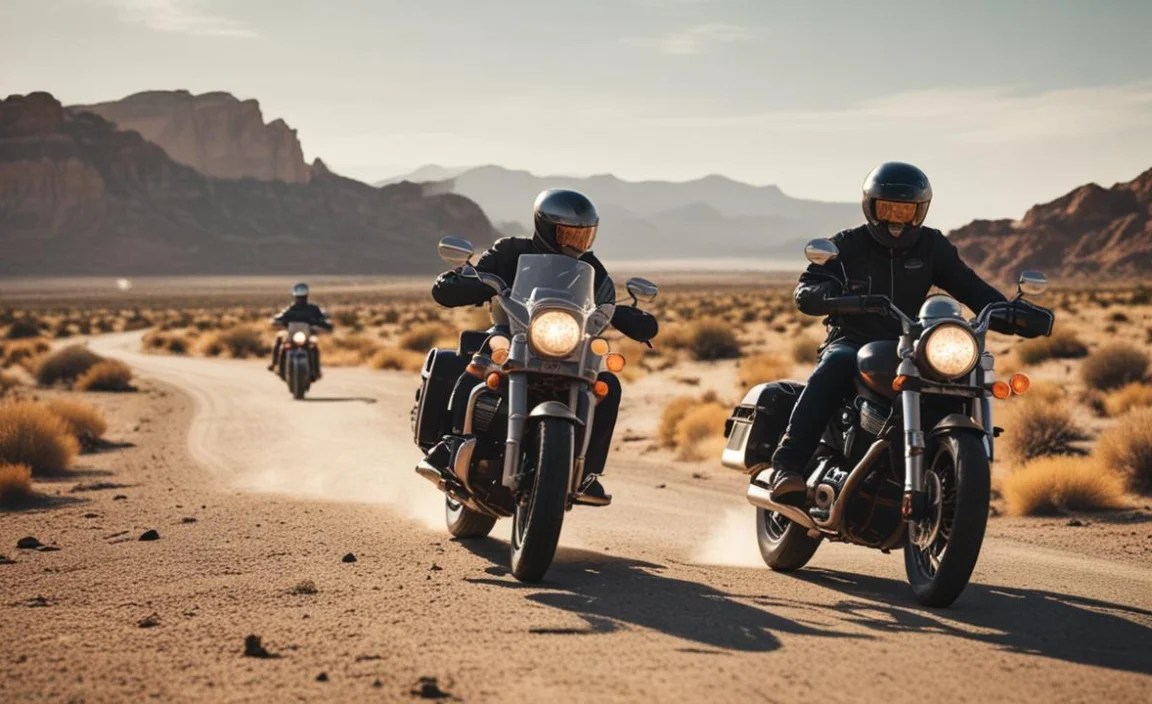
Carry a well-stocked first-aid kit. Know how to use the contents. Consider taking a basic first-aid course. For more comprehensive guidance on road safety, check out resources from the National Highway Traffic Safety Administration (NHTSA).
Emergency Contacts:
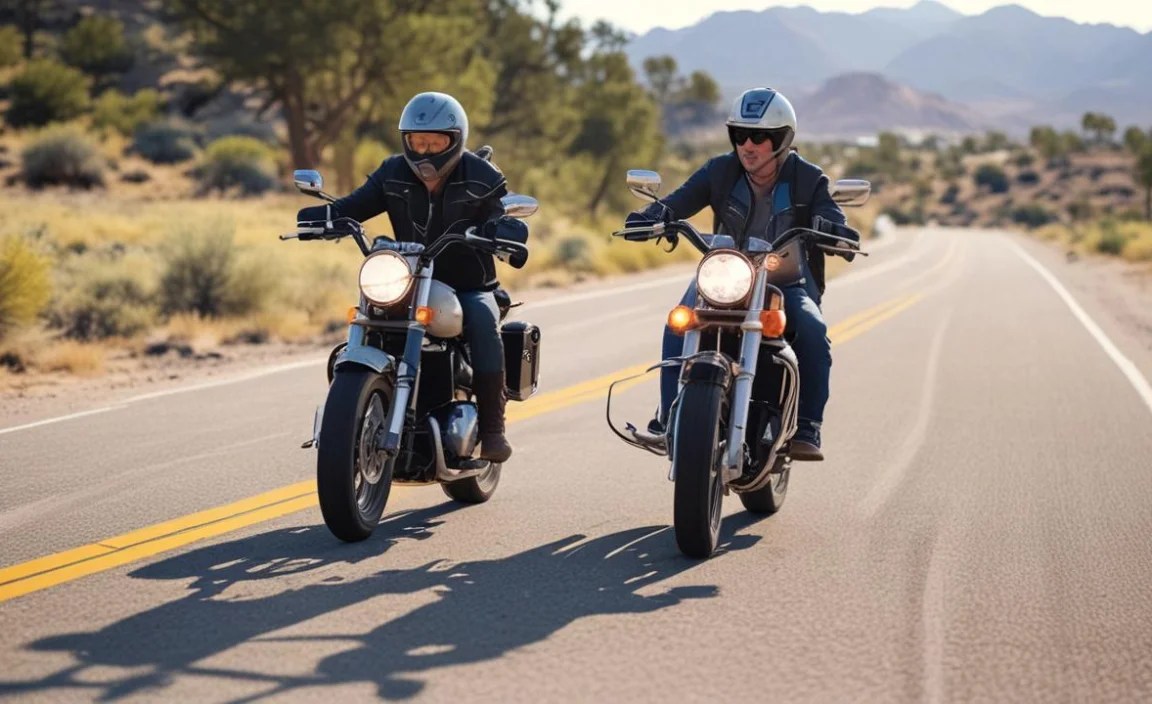
Have a list of emergency contacts readily available, both on your phone and in a physical format in your wallet or jacket. Ensure your group members have each other’s contact information.
Breakdown Assistance:
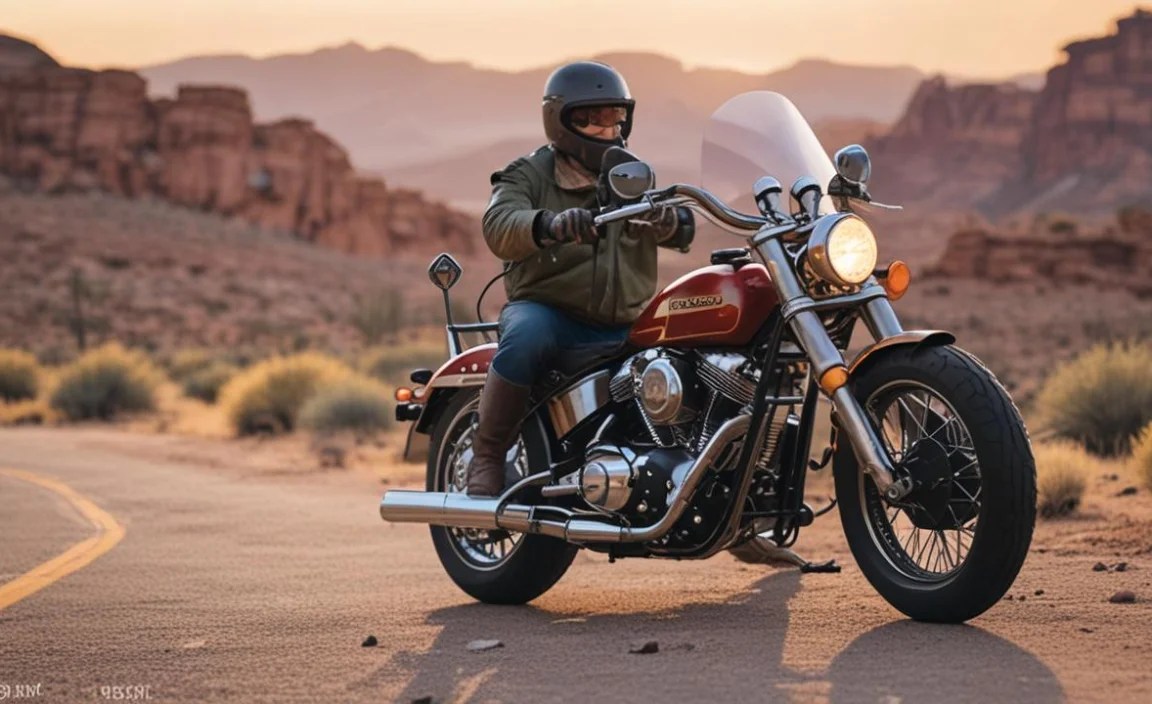
Consider joining an organization like the American Automobile Association (AAA) or a similar service that offers motorcycle towing and roadside assistance. It can be a lifesaver in remote areas.
Communication Plan:
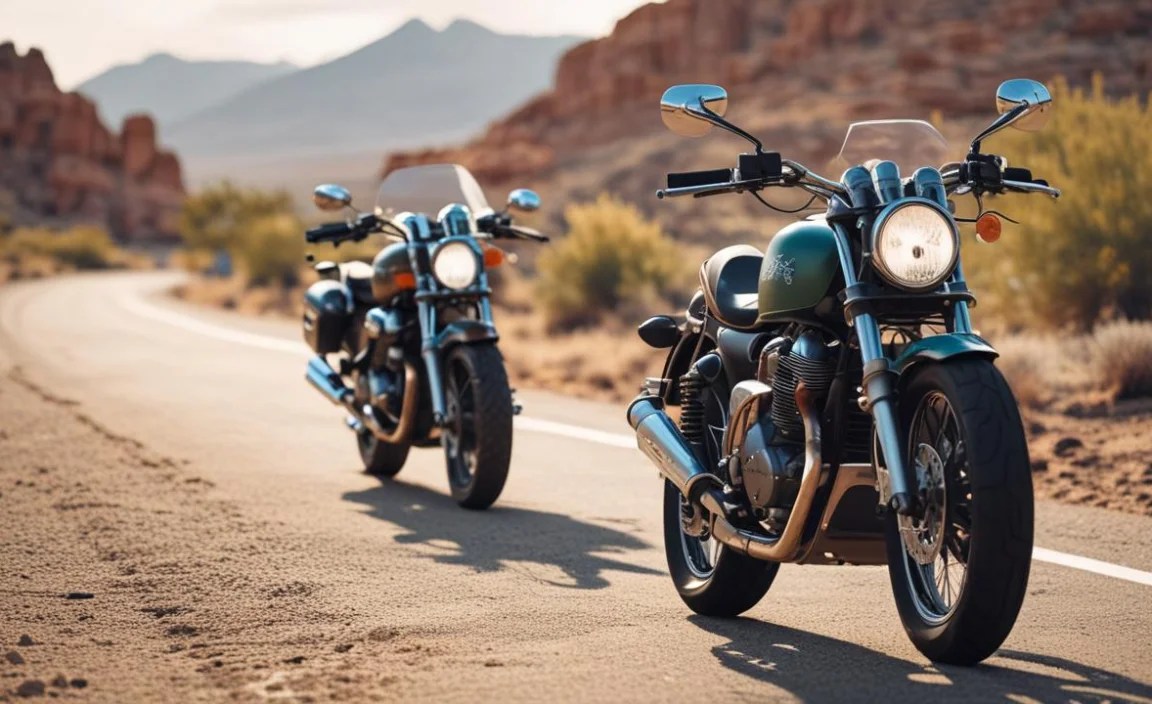
Establish how you will communicate if separated from the group or in case of an emergency. Cell phones are primary, but consider options like satellite communicators for areas with no cell service. Discuss how to signal distress to other riders or motorists.
8. Enjoying the Ride: Savoring Your Southwest Tour
The most important part of your motorcycle meetup Southwest tour cross-country is to enjoy the journey!
Embrace the Unexpected:
Sometimes, the best adventures come from detours and unplanned stops. If you see an interesting sign or a breathtaking view, take the time to explore. It’s your tour!
Connect with Fellow Riders:
The camaraderie of riding with a group is a huge part of the experience. Share stories, laugh together, and support each other. That’s what meetups are all about.
Capture the Memories:
Take photos and videos, but don’t let it distract from your riding. These memories will last a lifetime.
Respect the Environment:
The natural beauty of the Southwest is a treasure. Ride responsibly, stay on marked roads, and leave no trace. Be mindful of wildlife and local communities.
Frequently Asked Questions (FAQ)
Q1: What is the best time of year for a Southwest motorcycle tour?
The best time generally depends on where in the Southwest you’re going. Spring (April-May) and Fall (September-October) offer the most pleasant temperatures across most of the region, avoiding extreme summer heat and winter cold. Summer can be very hot in the deserts, while higher elevations might get snow outside of these shoulder seasons.
Q2: How much should I budget for a Southwest cross-country motorcycle trip?
Budgets vary greatly based on accommodation choices (camping vs. hotels), dining habits, fuel costs, and the length of your trip. A rough estimate for a 1-2 week trip could range from $150-$300+ per person per day, covering fuel, food, lodging, and some activities. It’s wise to budget an extra 15-20% for unexpected expenses.
Q3: What are the key differences between riding in the desert versus mountainous areas of the Southwest?
Desert riding means preparing for extreme heat, potential sandstorms, and limited services. Mountainous areas can have rapidly changing weather, cooler temperatures, twisty roads, and higher altitudes that can affect rider and engine performance. Both require vigilance and appropriate gear and preparation.
Q4: Is it safe to ride a motorcycle alone in the Southwest?
While millions of people ride safely in the Southwest, riding alone in remote areas carries increased risks. If you choose to ride solo, ensure your motorcycle is in excellent condition, inform someone of your itinerary, carry a satellite communication device, and be extra cautious. Group riding, as in a meetup, significantly enhances safety.
Q5: What kind of tools are absolutely essential for a cross-country motorcycle trip?
Essential tools include a tire pressure gauge, tire plug kit with inflator, a basic metric socket and wrench set, screwdrivers, Allen keys, pliers, and zip ties/duct tape. Your motorcycle owner’s manual is also a crucial ‘tool’ to have.
