Planning a sportbike gathering Asia tour cross-country? Pack smart, prep your ride meticulously, embrace local culture, and stay connected. Essential tips cover bike maintenance, safety gear, navigation, and embracing the adventure to ensure a thrilling and smooth journey across diverse Asian landscapes.
Hey riders! Ever dreamed of hitting the open road across Asia on your sportbike? It sounds amazing, right? But the thought of a big trip can feel a bit overwhelming, especially when you’re new to long-distance riding. Don’t worry, it’s totally doable, and I’m here to break it all down. We’ll go over what you need to think about so your sportbike gathering Asia tour cross-country is more fun than frustration. Get ready to prepare your ride and yourself for an epic adventure!
Your Sportbike Gathering Asia Tour Cross-Country: The Ultimate Prep Guide

Embarking on a sportbike gathering Asia tour cross-country is the kind of adventure that creates legendary stories. Imagine winding through scenic mountain passes, cruising along stunning coastlines, and experiencing the vibrant cultures stretching across this incredible continent. It’s a dream for many, but making that dream a reality requires thoughtful planning. This guide is designed to equip you with the essential knowledge, from getting your bike ready to ensuring your own comfort and safety on the long haul. We’ll cover everything you need to know to make your cross-country Asian journey a success, no matter your experience level.
Why Cross-Country Sportbike Adventures in Asia?

Asia is a continent of incredible diversity, offering an unparalleled backdrop for a sportbike adventure. From the bustling metropolises and ancient temples of Southeast Asia to the vast, open landscapes of Central or East Asia, the variety is astounding. Riding a sportbike across this region offers a unique perspective, allowing you to connect with the environment and cultures in a visceral way. It’s more than just a ride; it’s an immersion into thrilling scenery, new tastes, and unforgettable encounters. A sportbike gathering taking on these routes elevates the experience, turning a personal journey into a shared adventure.
Getting Your Sportbike Road-Ready for Asia

Your sportbike is your chariot for this grand tour, so treating it with respect and ensuring it’s in top condition is paramount. A breakdown in a remote area can turn an exciting trip into a significant headache. Let’s get your machine dialed in.
Pre-Trip Mechanical Checklist
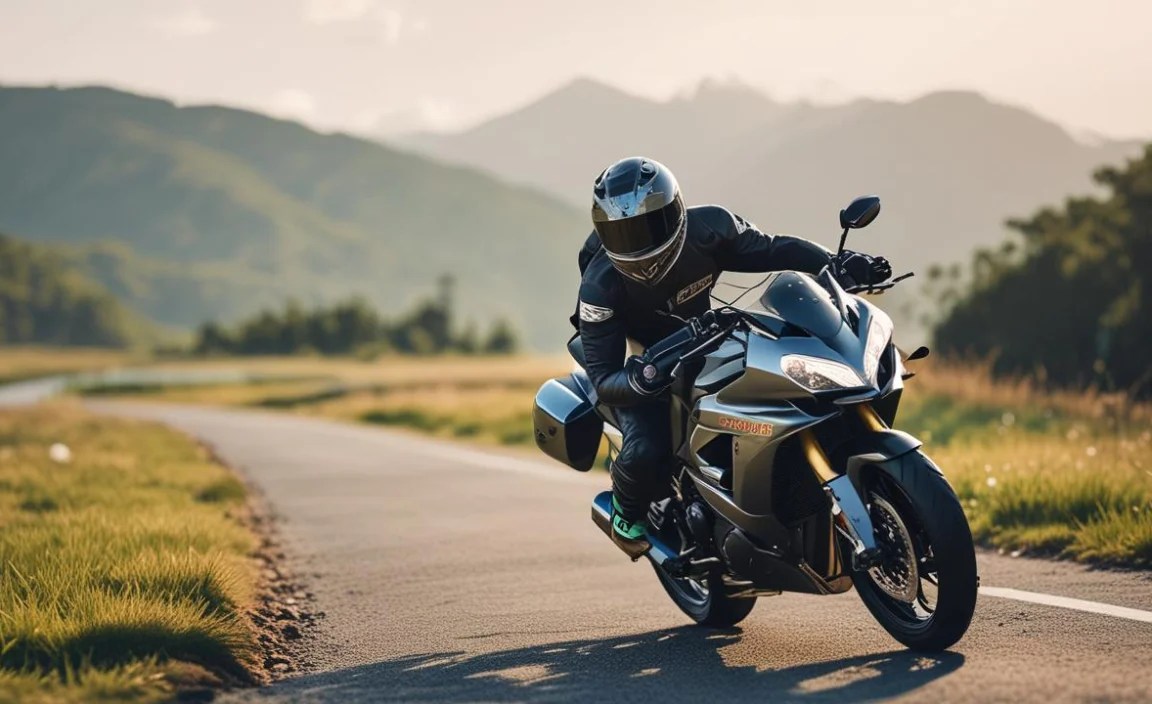
Before you even think about packing, give your sportbike a thorough once-over. This isn’t just about ticking boxes; it’s about preventing problems before they start. Here’s a breakdown of what to inspect:
- Tires: Check tread depth and pressure. Consider if they’ll last the entire trip or if you’ll need replacements. Proper tire pressure is crucial for handling and fuel efficiency. You can find the recommended tire pressure on a sticker on your bike’s frame or in the owner’s manual.
- Brakes: Inspect brake pads for wear and check brake fluid levels. Ensure smooth operation and responsive braking.
- Chain and Sprockets: Clean, lubricate, and adjust your chain. Check for worn sprockets. A well-maintained chain ensures smooth power delivery and longevity.
- Oil and Filters: Fresh oil and a clean filter are fundamental. Consider an oil change just before you leave if you’re close to the service interval.
- Coolant: Check the coolant level and condition. Overheating can be a serious issue, especially in warmer climates.
- Lights and Electricals: Ensure all lights (headlight, taillight, turn signals, brake lights) are working. Test the horn. Check battery health.
- Suspension: Check for leaks in the forks and rear shock. Ensure they are functioning correctly.
- Nuts and Bolts: Go over the entire bike and gently tighten any loose nuts or bolts. Vibration can loosen things over time.
If you’re not comfortable doing these checks yourself, a trusted mechanic can perform a comprehensive pre-trip inspection. It’s a small investment for peace of mind.
Essential Tools and Spares

Even with the best preparation, things can happen. Carrying a basic toolkit and some critical spare parts can save your trip. Here’s what I recommend:
| Category | Items | Why It’s Important |
|---|---|---|
| Basic Tools | Metric socket set, wrenches, screwdrivers, pliers, Allen keys, torque wrench (if space allows) | For adjustments, minor repairs, and tightening loose parts. |
| Tire Repair | Tire plug kit, mini air compressor or pump, tire levers | To fix punctures on the go. Essential for tubeless tires. |
| Lubrication | Chain lubricant, small multi-purpose grease | For chain maintenance and general lubrication needs. |
| Fasteners | Assorted zip ties, duct tape, safety wire | Temporary fixes for a wide variety of issues. |
| Fluid Top-ups | Small amount of engine oil, brake fluid (correct type for your bike) | For topping up if needed. Know your bike’s specific fluid requirements. |
| Consumables | Spare fuses, spare headlight bulb, spare clutch/throttle cables | Common failure points that can sideline you. |
For a sportbike gathering, coordinate with your group. You might be able to share larger spares like a full tire or a chain/sprocket kit, saving everyone weight and space.
Equipping Yourself: Rider Gear for the Long Ride

Your riding gear is more than just protection; it’s your personal climate control and comfort zone on the road. When you’re covering thousands of kilometers, comfort and safety are intertwined.
All-Weather Riding Suit

Opt for a good quality, waterproof, and breathable riding suit. Layers are your best friend here. A waterproof outer shell with removable thermal liners allows you to adapt to changing weather conditions, from hot and humid to cold and damp. Features like ample ventilation zippers are a lifesaver in tropical climates.
Helmet, Gloves, and Boots

- Helmet: A full-face helmet is essential for maximum protection. Ensure it fits well and has good ventilation. Consider one with an anti-fog visor, especially for varied weather. Check the ECE 22.05 or ECE 22.06 certification for international road safety standards.
- Gloves: Invest in a pair of durable, comfortable gloves that offer protection and good grip. Gauntlet-style gloves provide wrist protection.
- Boots: Sturdy, over-the-ankle motorcycle boots are a must. They protect your feet and ankles from impact and abrasion.
Wicking Base Layers and Rain Gear

Good quality wicking base layers help manage moisture and temperature by drawing sweat away from your skin. High-quality, packable rain gear is non-negotiable. Nothing kills morale faster than being soaked to the bone for hours.
Navigation and Communication: Staying on Track

Navigating across diverse Asian landscapes requires a reliable system. Relying solely on a smartphone can be risky due to patchy signal or battery drain.
GPS Devices and Mobile Apps

A dedicated GPS unit (like Garmin or TomTom) is often a good investment for long trips. They are built for rugged use and often have offline map capabilities. Alternatively, use navigation apps like Google Maps or Maps.me on your smartphone, but ensure you download offline maps for the regions you’ll be travelling through. Consider a handlebar-mounted phone holder with a USB charging port.
Communication is Key
For a sportbike gathering, communication among riders is vital. Bluetooth helmet communicators allow you to talk to each other, listen to music, or take calls. Know the range and capabilities of your communicators.
Additionally, having local SIM cards or an international roaming plan can be a lifesaver for emergencies and to stay connected with family and friends back home. Research data plans and coverage in the countries you plan to visit.
Packing Smart for a Long-Distance Sportbike Journey

Space on a sportbike is limited, so every item you pack needs to earn its place. Prioritize versatility and necessity.
Luggage Solutions
- Tail Bags and Tank Bags: These are often the primary luggage options for sportbikes. A good tail bag offers significant storage, while a tank bag keeps essentials like your wallet, phone, and snacks easily accessible.
- Backpack: While not ideal for carrying heavy items on long rides due to discomfort and heat, a small backpack can be useful for day-to-day essentials or as a temporary carry-all.
- Bungee Nets and Straps: Always carry a few bungee nets and strong cargo straps. They are invaluable for securing extra items, even if you don’t have dedicated luggage racks.
What to Pack: The Essentials List

Think lightweight, multi-functional, and quick-drying.
| Category | Items | Notes |
|---|---|---|
| Clothing | Wicking base layers, 2-3 riding shirts, quick-dry pants/shorts (for off-bike), riding socks, casual wear (lightweight), sleepwear | Focus on layers and quick-drying materials. |
| Toiletries | Travel-sized essentials, sunblock, insect repellent, hand sanitizer | Keep toiletries minimal. |
| Documents | Passport, Visas, International Driving Permit (IDP), bike registration, insurance, emergency contacts, copies of all important documents (digital and physical) | Crucial for crossing borders and identification. Consider an Carnet de Passages en Douane (CPD) if required for your route. |
| Health & First Aid | Personal medications, basic first-aid kit (band-aids, antiseptic wipes, pain relievers, bandages, gauze, medical tape) | Tailor to your needs. |
| Electronics | Phone, charger, power bank, universal adapter, camera (optional) | Keep devices charged. |
| Miscellaneous | Water bottle, sunglasses, earplugs, small towel, notebook and pen | Comfort and utility items. |
Understanding and Navigating Asian Road Conditions

Asia is incredibly diverse, and so are its roads. Be prepared for anything.
Varying Road Surfaces

You’ll encounter everything from pristine highways to rough, unpaved tracks. Sportbikes are built for performance on smooth surfaces, so be extra cautious and adapt your riding style when conditions deteriorate. Slow down, stand on the pegs if comfortable, and use your body weight to maintain balance.
Traffic and Local Riding Habits

Traffic in many parts of Asia can be dense and chaotic. Be aware of motorcycles, scooters, bicycles, tuk-tuks, and pedestrians, all sharing the road. Assume other drivers may not see you. Maintain a defensive riding posture, use your mirrors constantly, and communicate your intentions clearly with your signals and body language. Observe local riding habits without necessarily adopting them if they seem unsafe.
Fuel Availability
In more remote areas, fuel stations can be sparse. Always keep your tank topped up whenever you see a station. Research the availability of your specific fuel type (e.g., premium unleaded) in the regions you’ll be visiting. Some countries may have different octane ratings or additives.
Cultural Etiquette and Respect

A sportbike gathering Asia tour cross-country is also a cultural exploration. Showing respect for local customs will enrich your experience and foster goodwill.
Dress Code
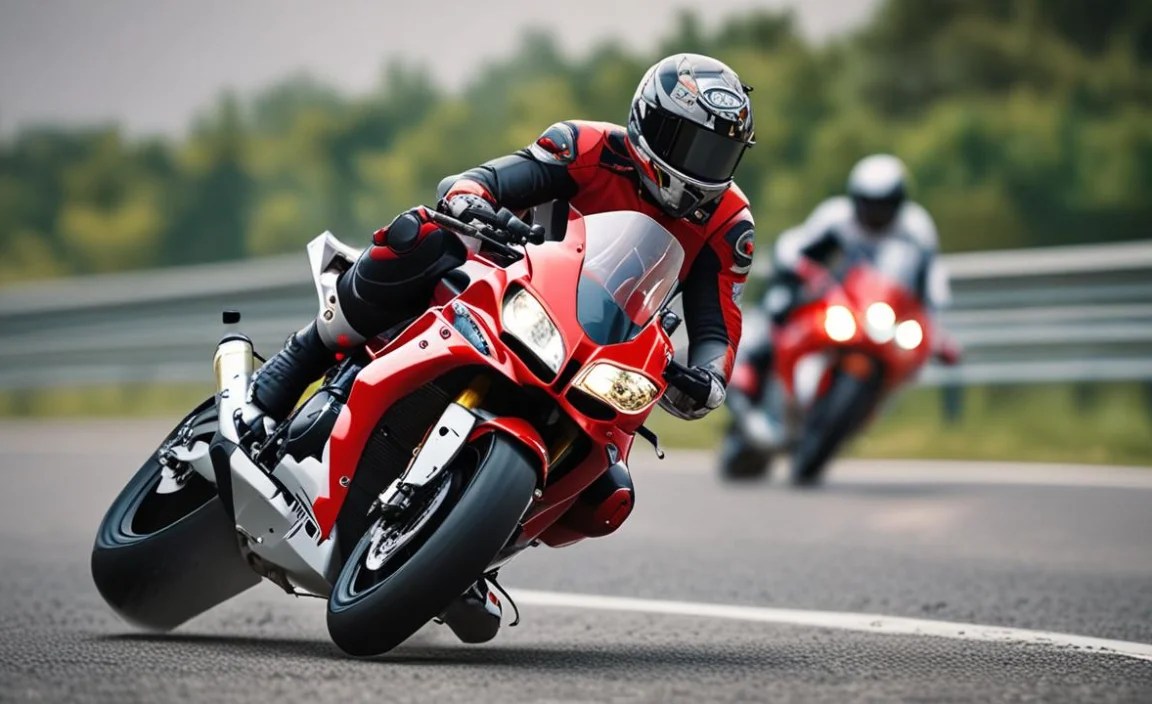
While riding gear is expected on the road, when visiting religious sites or interacting in more conservative communities, dress modestly. This typically means covering your shoulders and knees. Many temples and religious sites require visitors to remove their shoes.
Interactions and Language
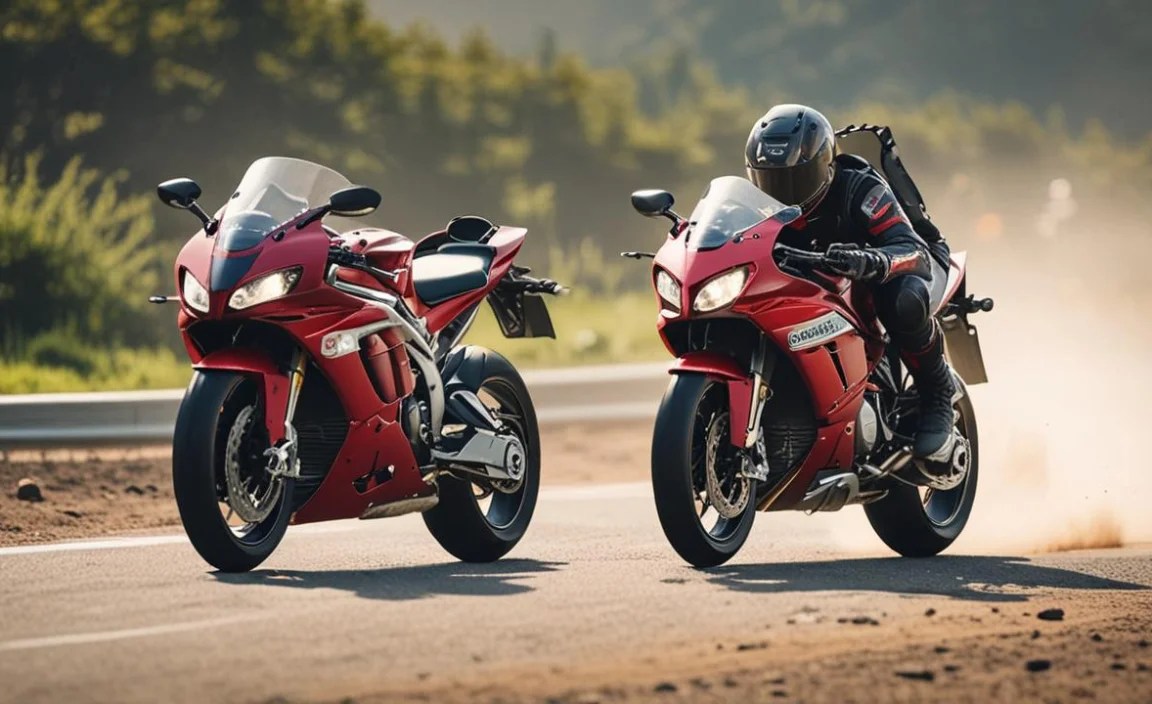
Learn a few basic phrases in the local languages (“hello,” “thank you,” “excuse me”). A little effort goes a long way in building positive interactions. Be polite and respectful, especially when taking photographs; always ask permission before photographing people.
Food and Drink

Be adventurous with local cuisine, but also be mindful of hygiene. Stick to bottled water and use hand sanitizer. If your stomach is sensitive, ease into trying street food.
Safety First: On and Off the Bike

Safety is paramount for any long-distance motorcycle journey, especially one as extensive as touring Asia.
Riding Strategies for Endurance

Covering long distances requires planning for fatigue. Take regular breaks—at least every 1.5 to 2 hours. Stretch your legs, walk around, and stay hydrated. Avoid riding when you are tired; it’s dangerous and impairs judgment. Plan your daily mileage realistically, factoring in potential delays.
Emergency Preparedness
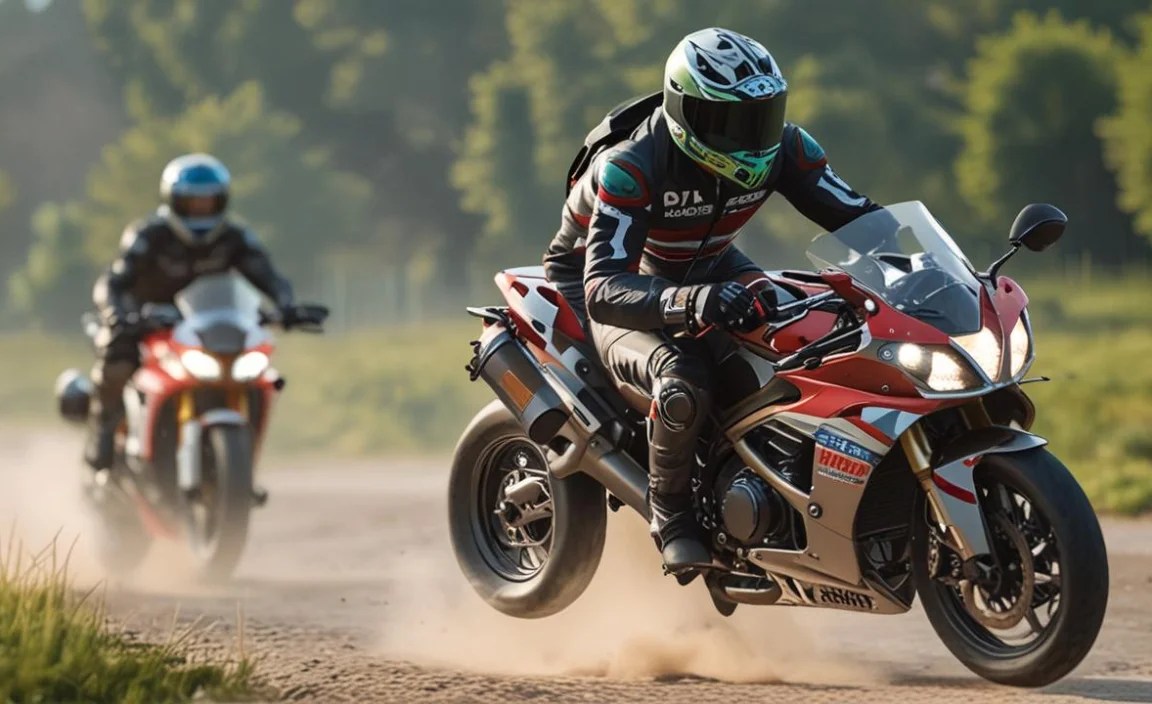
Carry a basic first-aid kit and know how to use it. Have emergency contact information readily accessible. Inform someone back home about your itinerary and check in regularly. Research local emergency numbers for the countries you’ll be visiting. For instance, many countries use 112 as an emergency number, but it’s wise to confirm specific local numbers.
Health Considerations
Consult your doctor before your trip regarding necessary vaccinations and any health precautions for the specific regions you are visiting. International travel health advice from organizations like the Centers for Disease Control and Prevention (CDC) is invaluable.
The Sportbike Gathering Aspect: Group Riding Dynamics
If you’re part of a sportbike gathering, group dynamics are crucial for a successful and enjoyable tour.
Pre-Ride Briefings
Before each day’s ride, gather for a briefing. Discuss the route, potential hazards, planned stops, estimated arrival times, and any specific riding formation or responsibilities. This ensures everyone is on the same page.
Riding Formations and Pace
Maintain staggered formations on highways for better safety and visibility. In tighter twisties or variable conditions, a single file might be safer. The group’s pace should always be set by the slowest or least experienced rider, or dictated by road conditions and legal speed limits. No one should feel pressured to ride beyond their comfort zone.
Communication and Coordination
Utilize your helmet communicators effectively. Agree on hand signals for common situations (e.g., hazard ahead, stop, turn). Designate lead and sweep riders to manage the group. The sweep rider ensures no one is left behind and is equipped to handle minor issues.
Making the Most of Your Adventure
This journey is about more than just the destination; it’s about the experiences along the way.
Embrace Spontaneity
While planning is essential, leave room for spontaneous detours. You might discover a hidden gem, a breathtaking viewpoint, or a local festival you wouldn’t have found otherwise. These unplanned moments often become the most cherished memories.
Document Your Journey
Take photos, shoot videos, keep a journal. Documenting your trip not only creates a lasting record but also helps you appreciate the details you experience.
Connect with Locals
Engage with the people you meet. Their insights and stories can offer a deeper understanding of the places you visit. Sometimes, the most rewarding part of travel is the human connection.
Conclusion
A sportbike gathering Asia tour cross-country is an ambitious undertaking, but with thorough preparation, a well-maintained machine, and a spirit of adventure, it’s an achievable and incredibly rewarding experience. From meticulous bike checks and proper gear to smart packing and cultural awareness, every detail contributes to a smoother, safer, and more enjoyable ride. Remember to stay hydrated, take breaks, and always ride within your limits. Embracing the challenges and celebrating the joys of the open road across Asia will undoubtedly create memories to last a lifetime. So, pack your bags, rev your engines, and get ready for the ride of a lifetime across the vibrant tapestry of Asia!
Frequently Asked Questions (FAQ)
Q1: What is the best time of year for a sportbike gathering Asia tour cross-country?
The best time largely depends on the specific regions you plan to visit. Generally, avoiding monsoon
